Transform this amateur pizza photo into high-end professional food photography while keeping the pizza itself accurate and unchanged.
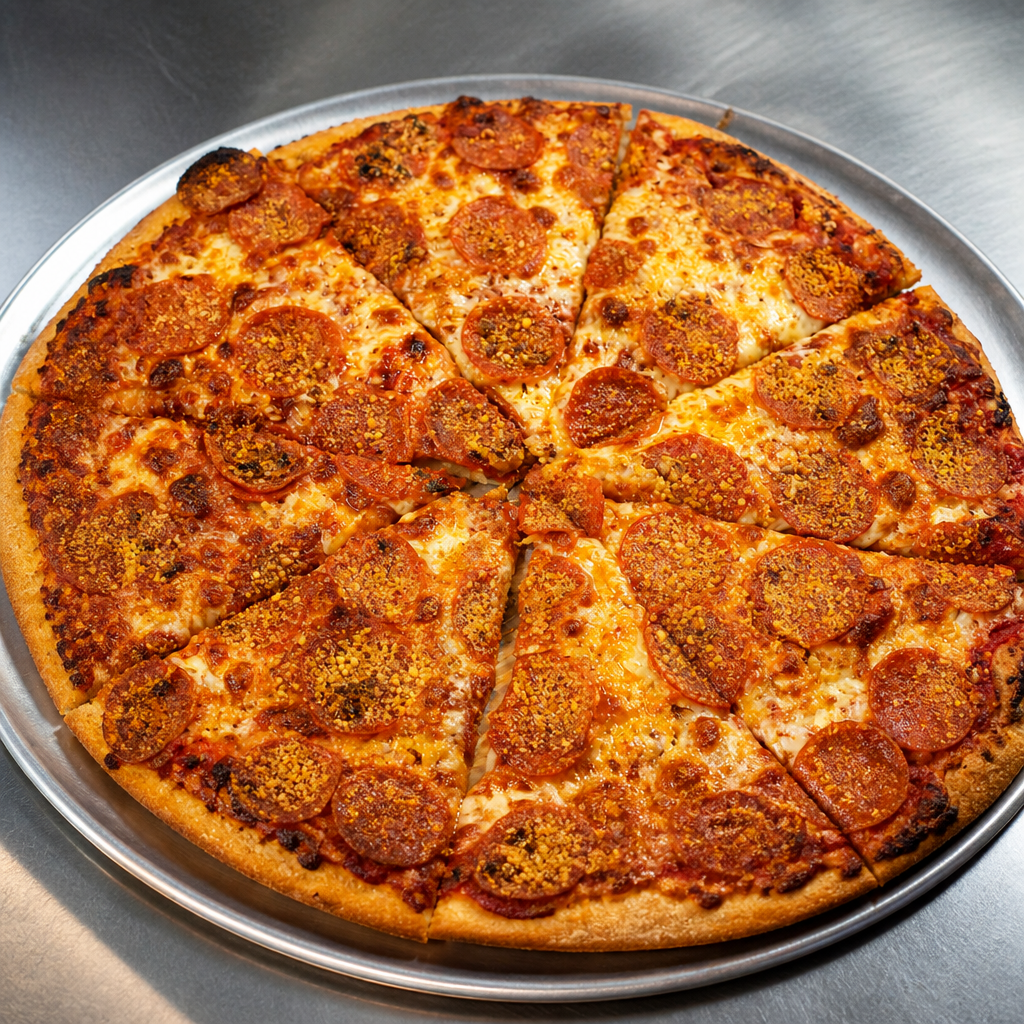
Use the uploaded pizza as the source of truth for the pizza. Preserve the pizza's real shape, crust style, slice cuts, cheese texture, sauce, toppings, topping placement, browning, and proportions. Do not redesign the pizza, add toppings, remove toppings, make it more gourmet than it really is, or change the restaurant's actual pizza style.
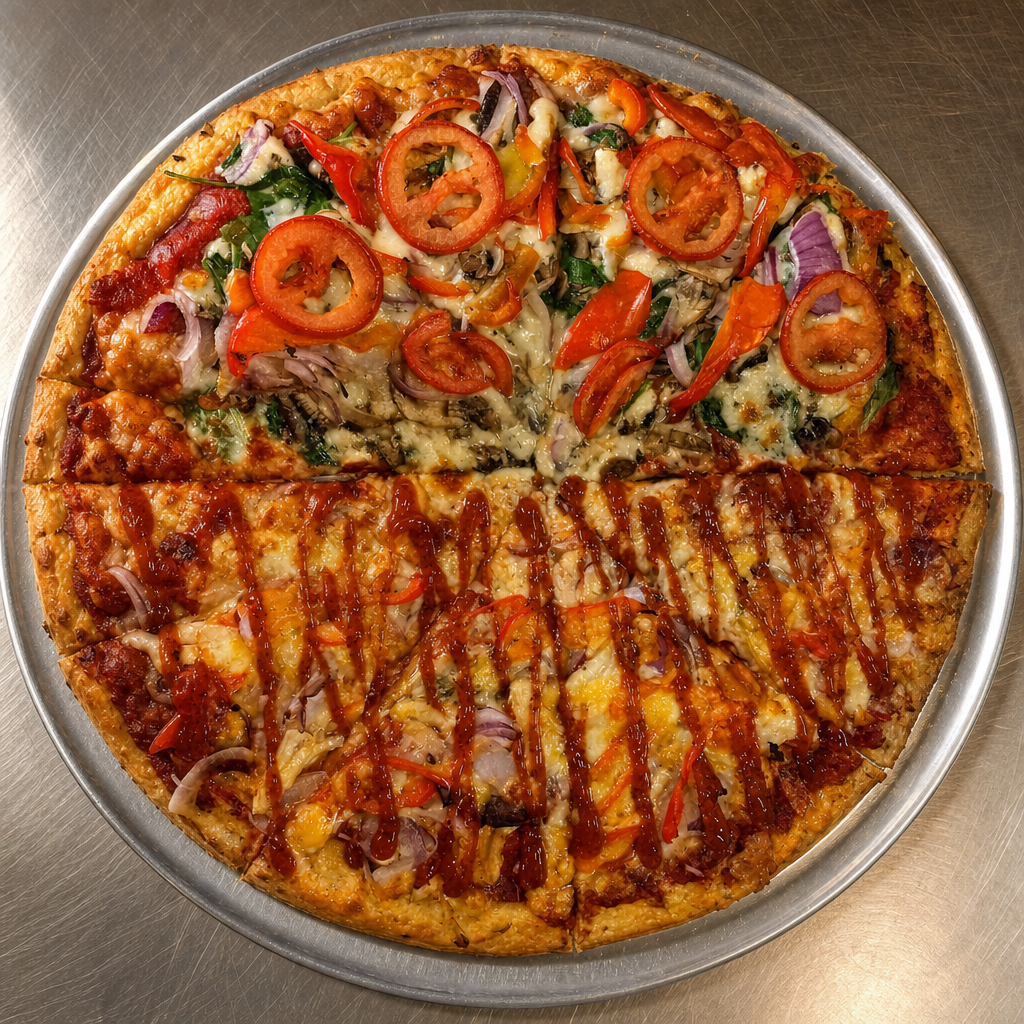
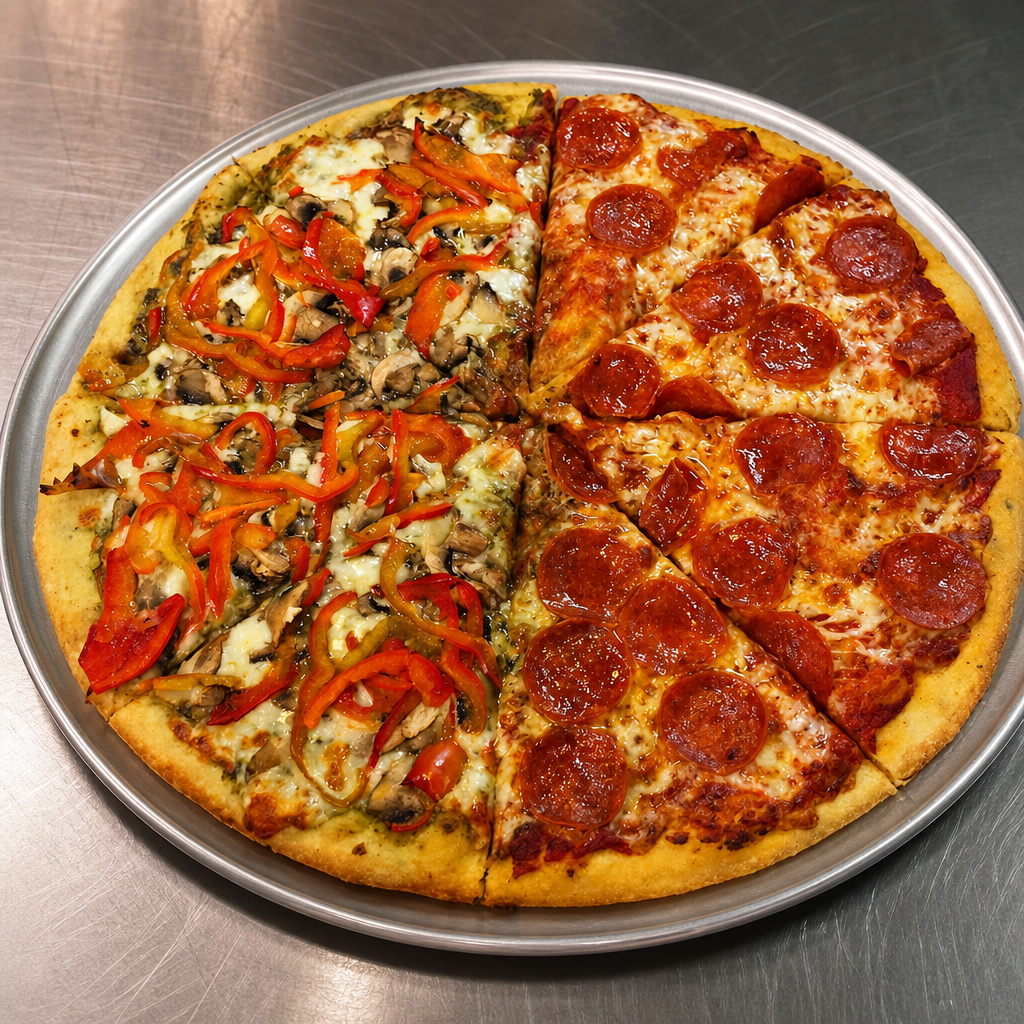
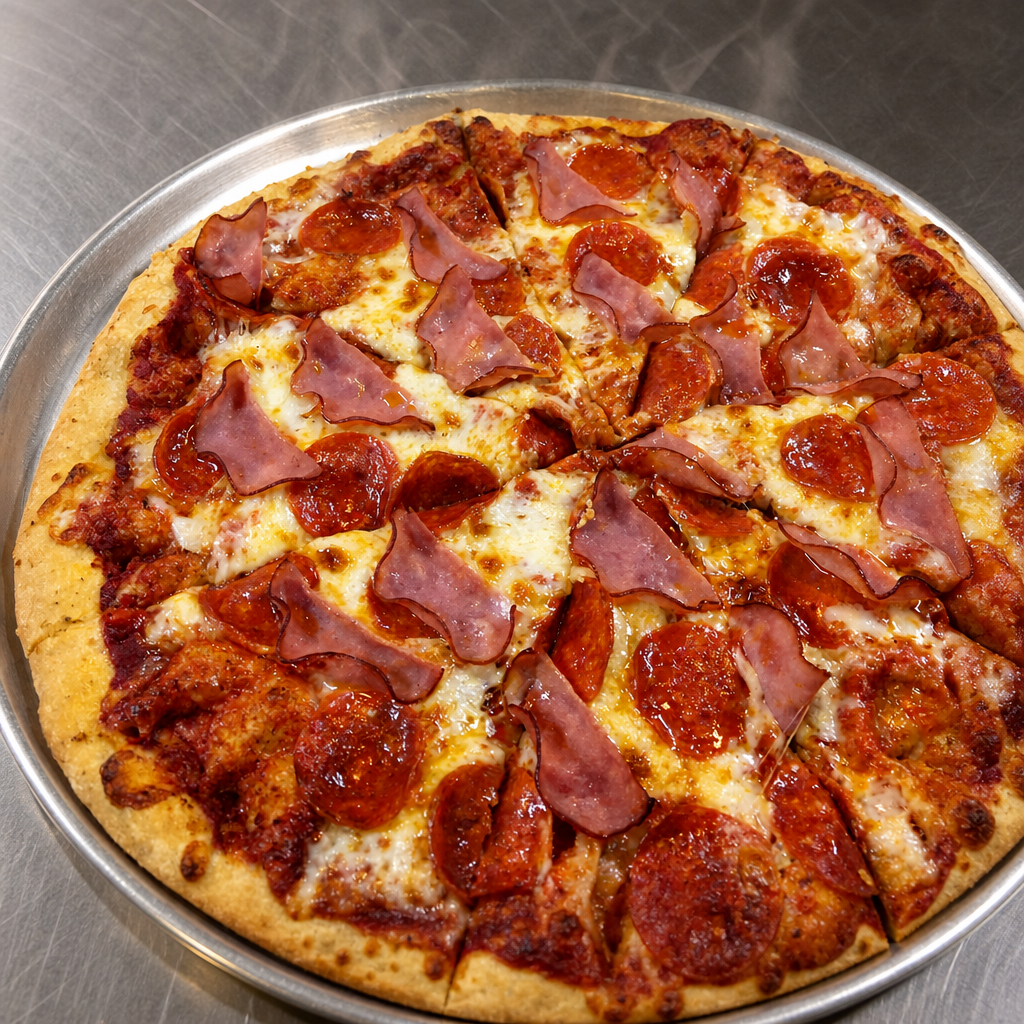
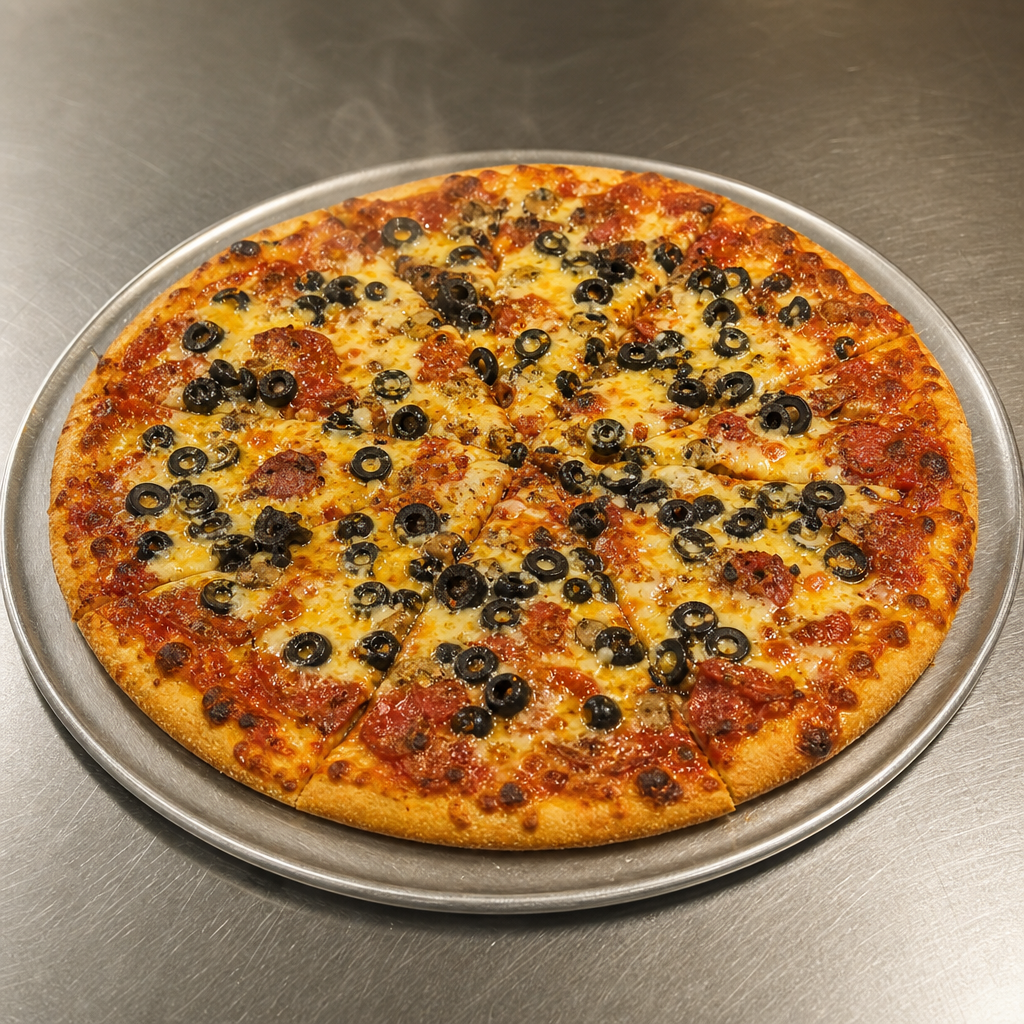
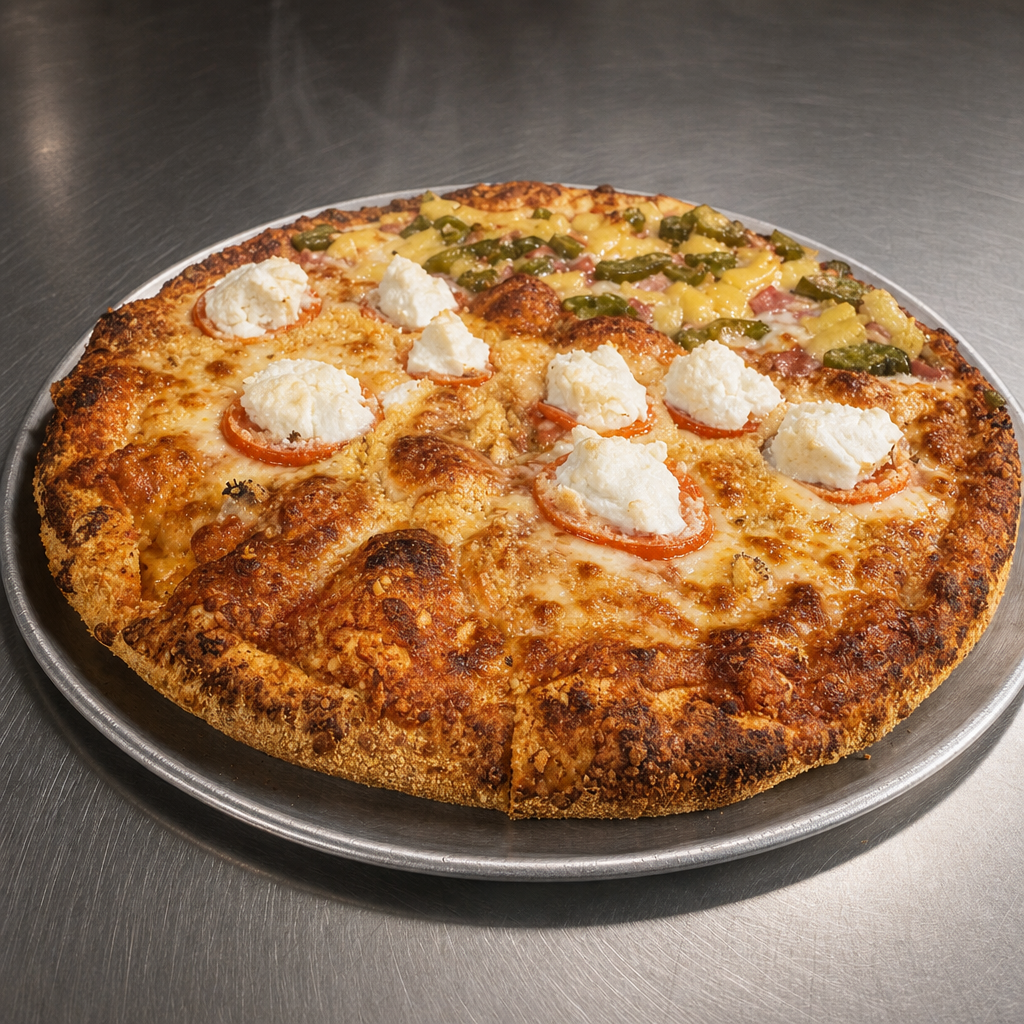
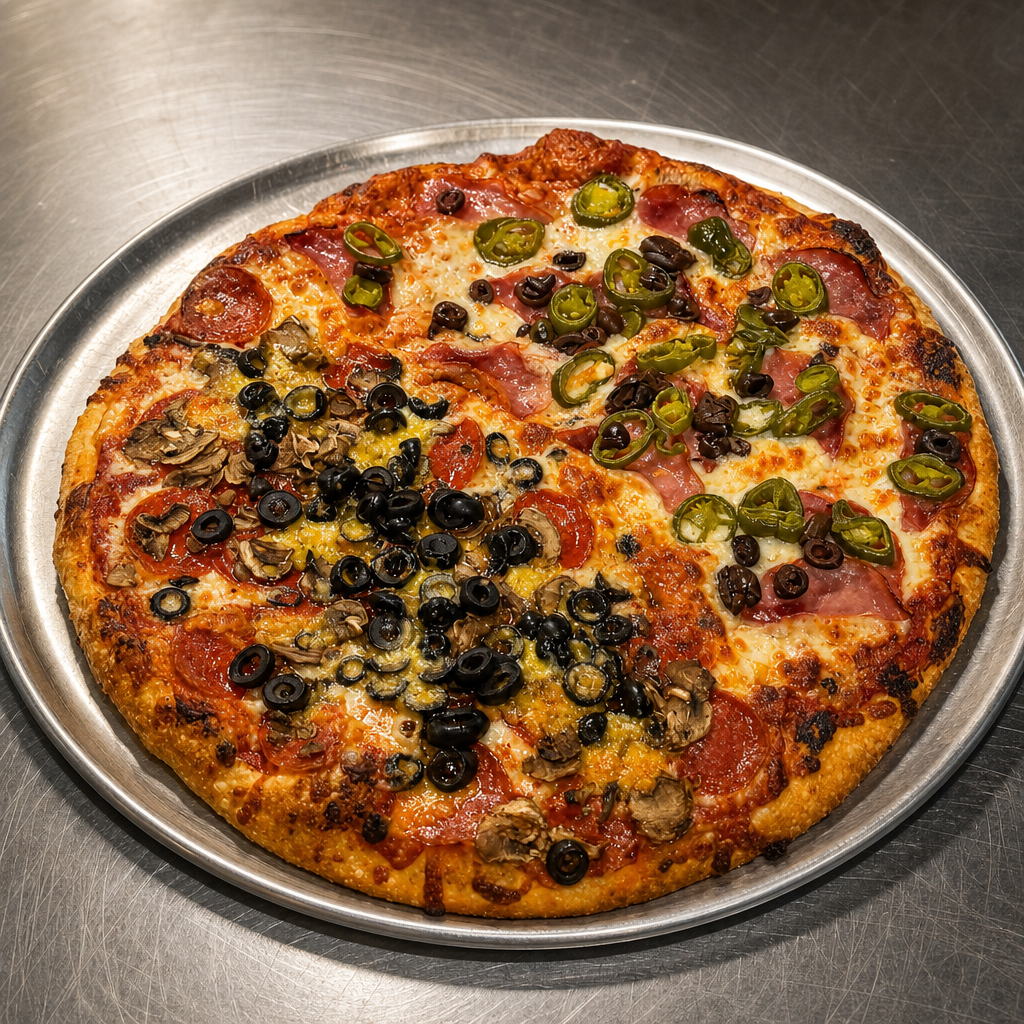
Re-stage the photo as a clean professional restaurant food photograph. Place the pizza on a round stainless steel pizza tray, as this restaurant normally serves it. Put the tray on a clean stainless steel table surface with a realistic brushed metal texture. Remove the cardboard box, paper liner, plates, cups, flowers, people, walls, windows, signage, menus, utensils, clutter, and all other background objects.
Composition: create an extreme close-up professional food photograph with a more artistic, editorial feel. Crop in tighter so the pizza fills most of the frame, with only part of the tray visible around the edges. Use a close angle or slight 3/4 angle rather than a distant full-pizza view, so the viewer feels close to the surface of the pizza. The image should feel intimate and visually rich, focusing attention on the texture of the crust, cheese, sauce, and toppings. No visible room background. No extra props. No hands. No text. No logos.
Depth of field: use professional shallow depth of field with a clear focal plane on the most appetizing section of the pizza. Keep the main focal area tack sharp, while gently letting parts of the foreground and background fall out of focus in a natural, artistic way. The blur should feel like real high-end food photography, not artificial. Important toppings and pizza texture in the focal area should remain crisp and detailed.
Freshness cues: the pizza should look freshly baked and just out of the oven. The cheese should look hot, melty, and slightly bubbling in places, with a light glossy sheen rather than dry or matte. The sauce should appear moist and rich. Toppings should look freshly cooked and lightly glistening, not dried out. The crust should look warm and recently baked, with crisp edges but not stale or dehydrated. If appropriate, include a very subtle natural steam or heat haze rising from the pizza, but keep it realistic and understated.
Avoid a dry, flat, matte, or reheated appearance. Do not make the cheese look stiff, chalky, or dehydrated. Do not make the toppings look withered or dull.
Lighting and style: use polished commercial food photography lighting with warm appetizing tones, soft directional highlights, realistic shadows, and an elegant editorial mood. Emphasize the natural sheen of the melted cheese, sauce, and toppings. Show the pizza as moist, hot, fresh, and highly detailed. The final image should feel like a premium artistic food photograph while remaining faithful to the original pizza.
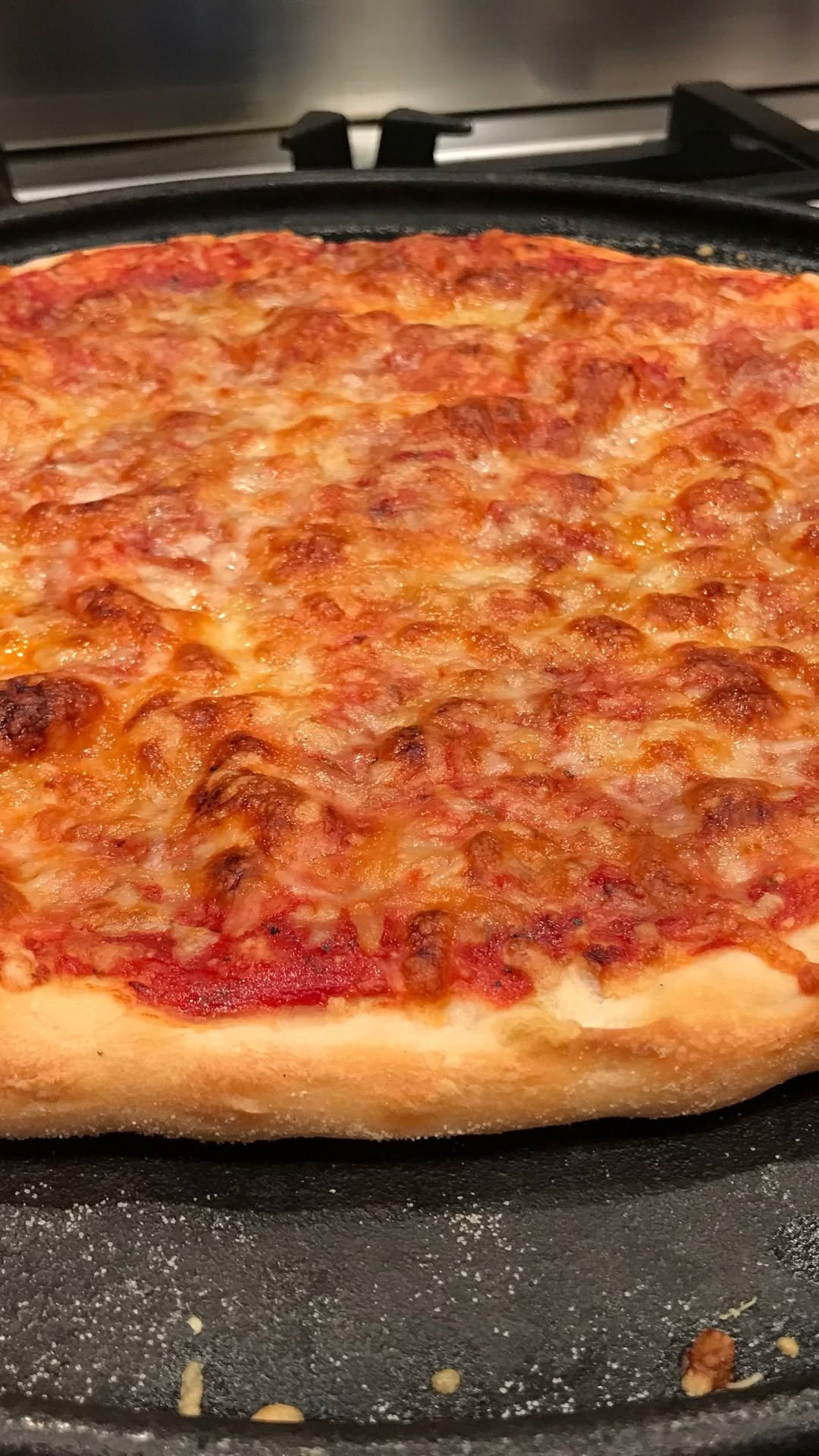 Original
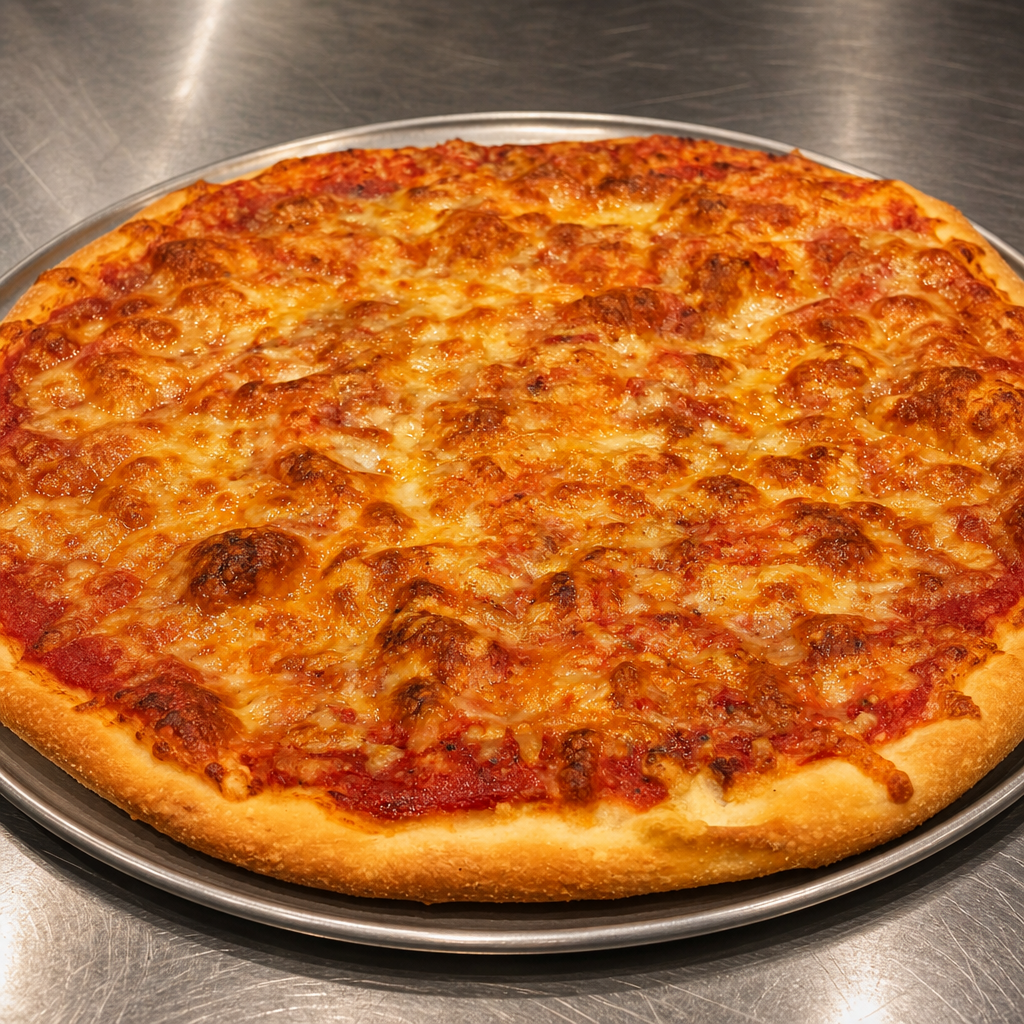 v1
v1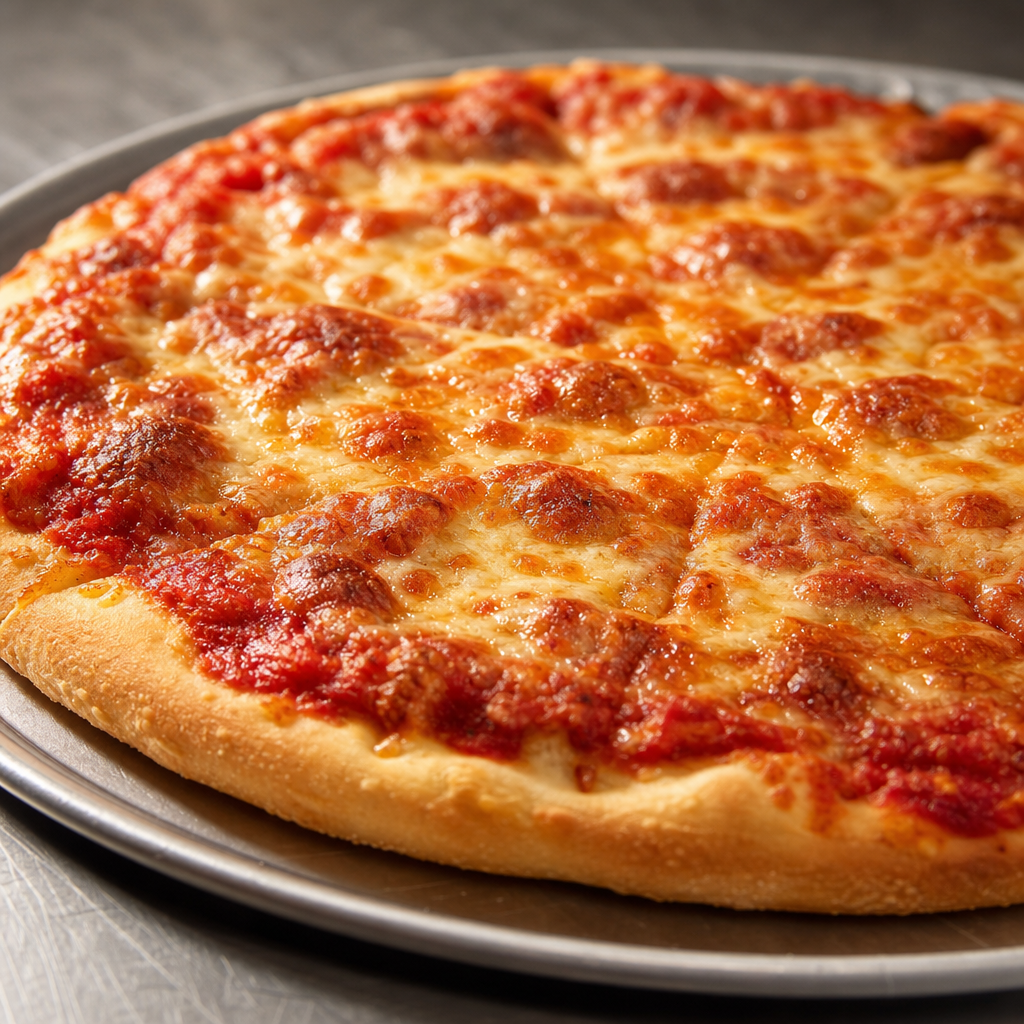 v2
v2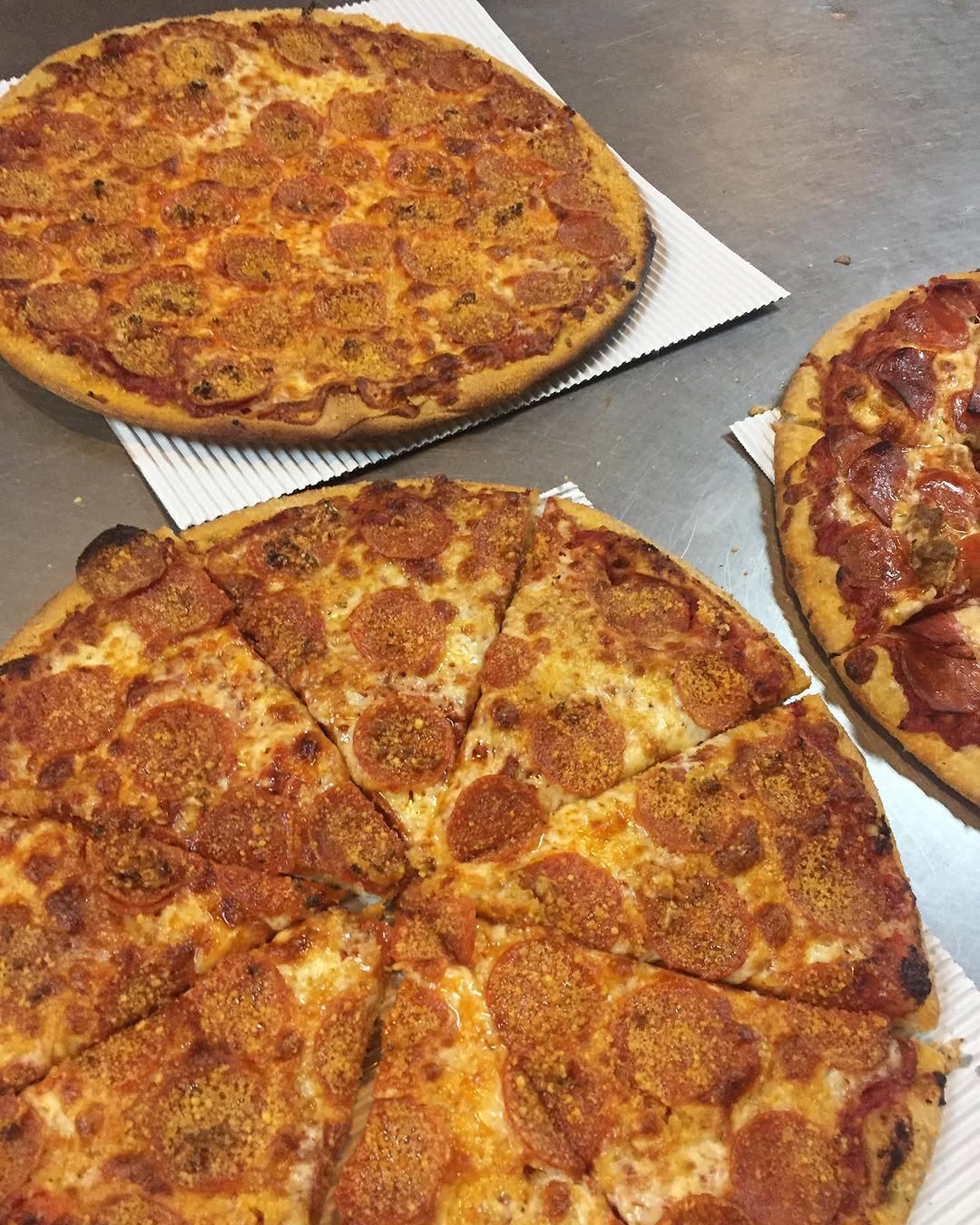 Original
 v1
v1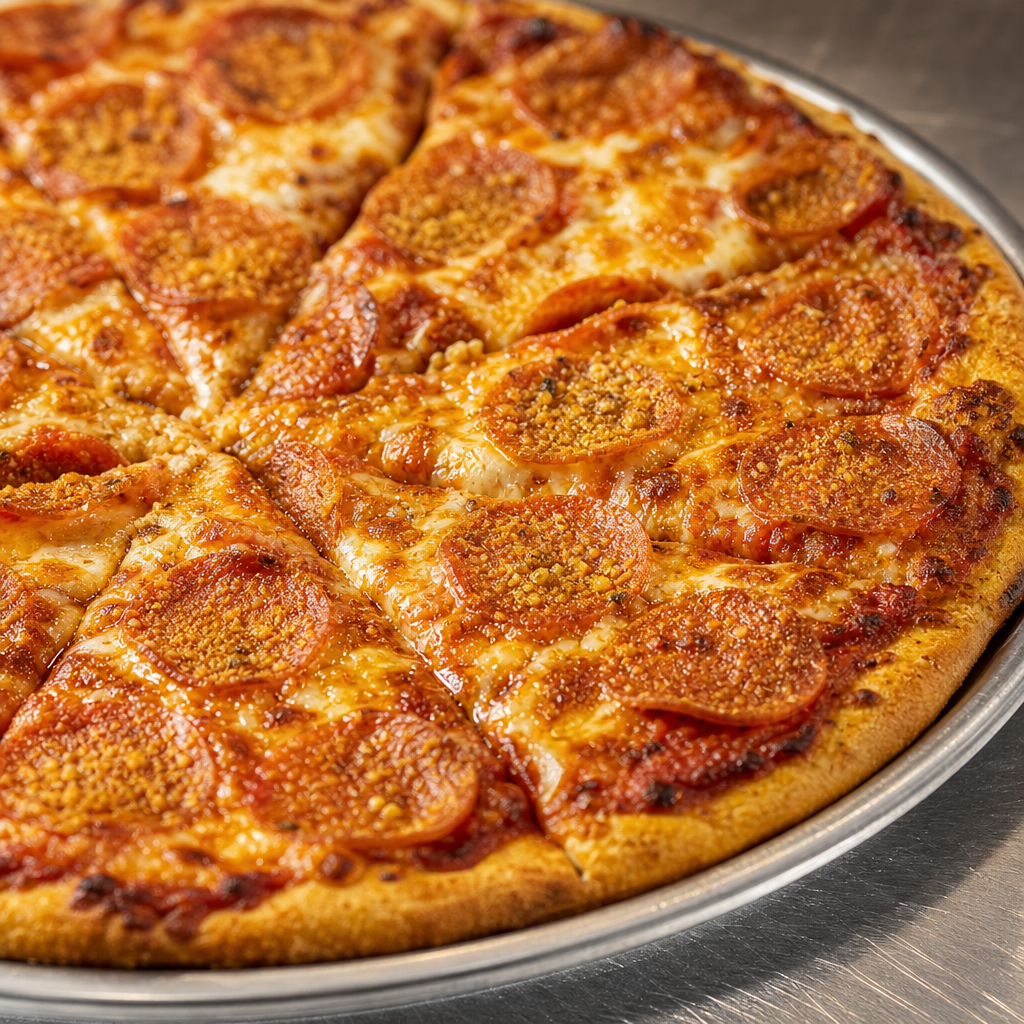 v2
v2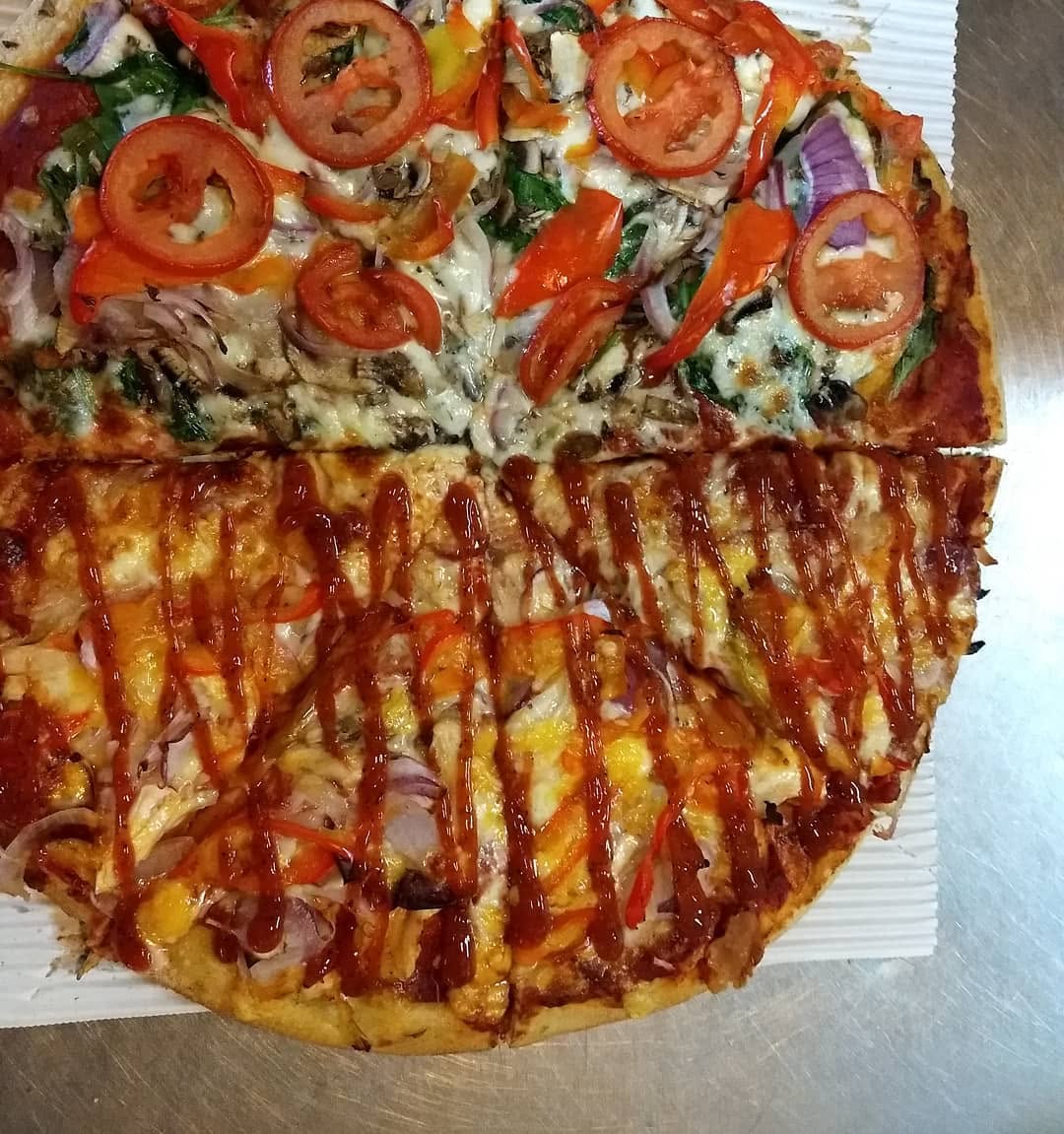 Original
 v1
v1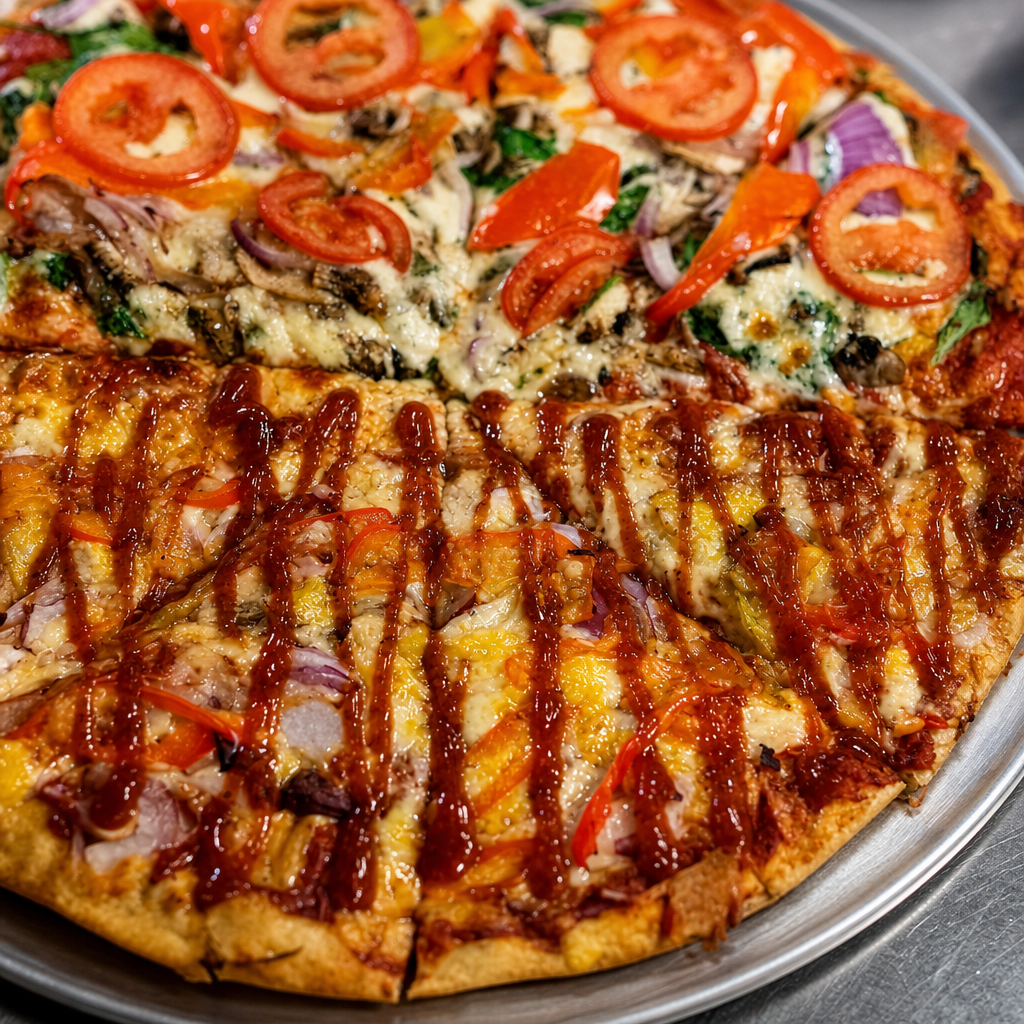 v2
v2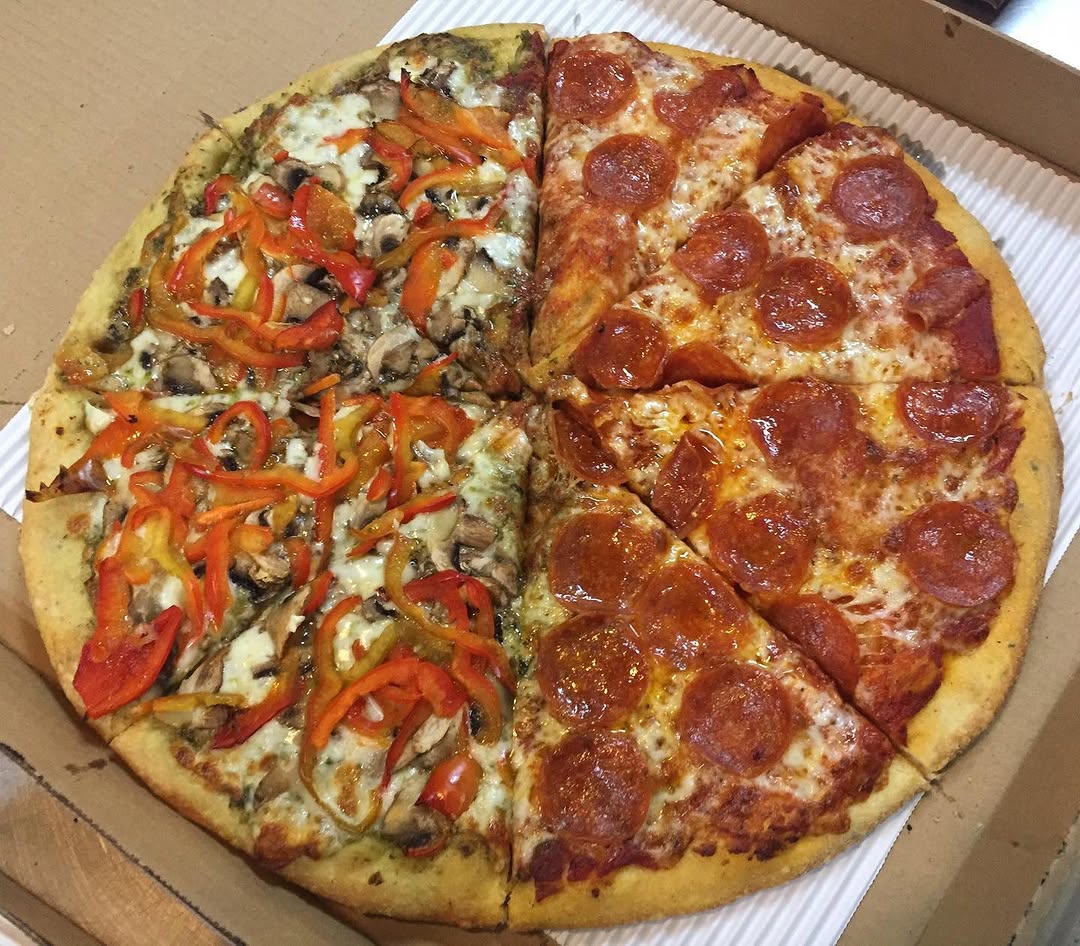 Original
 v1
v1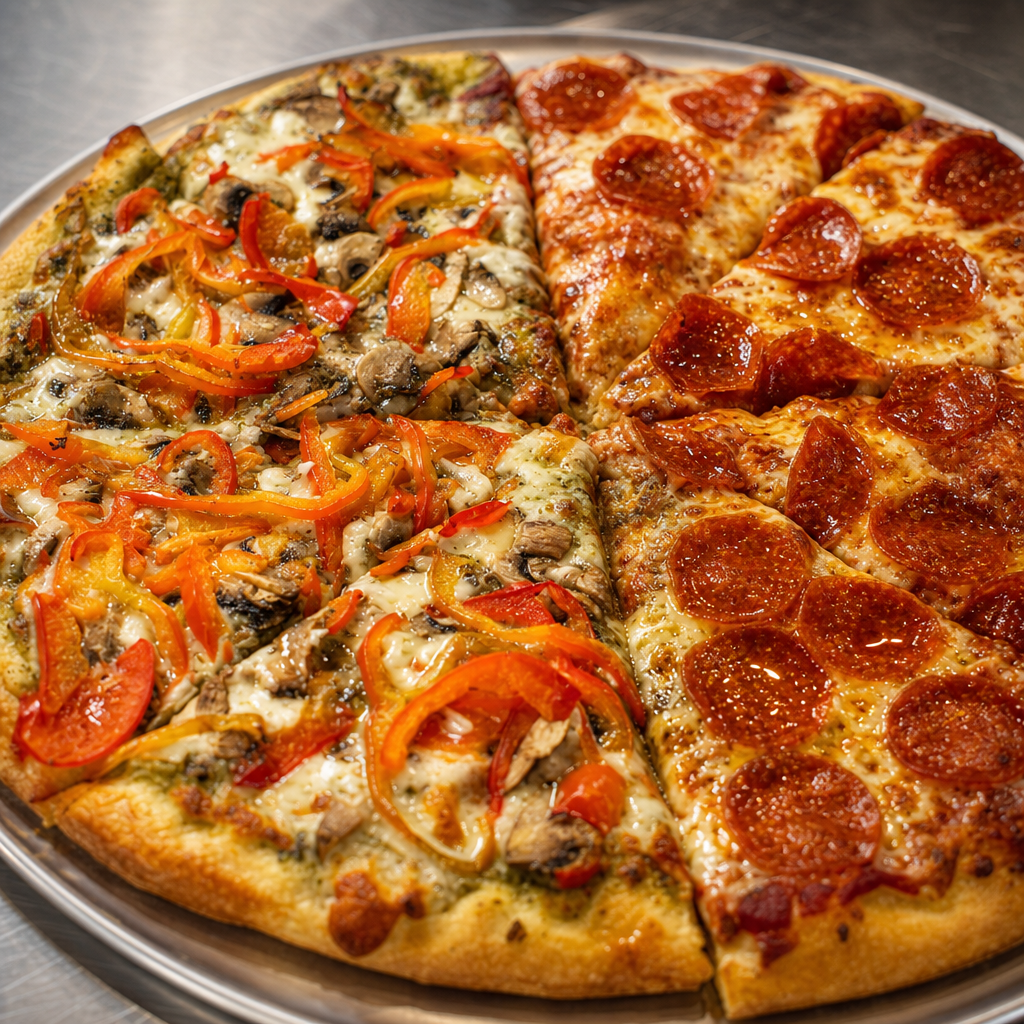 v2
v2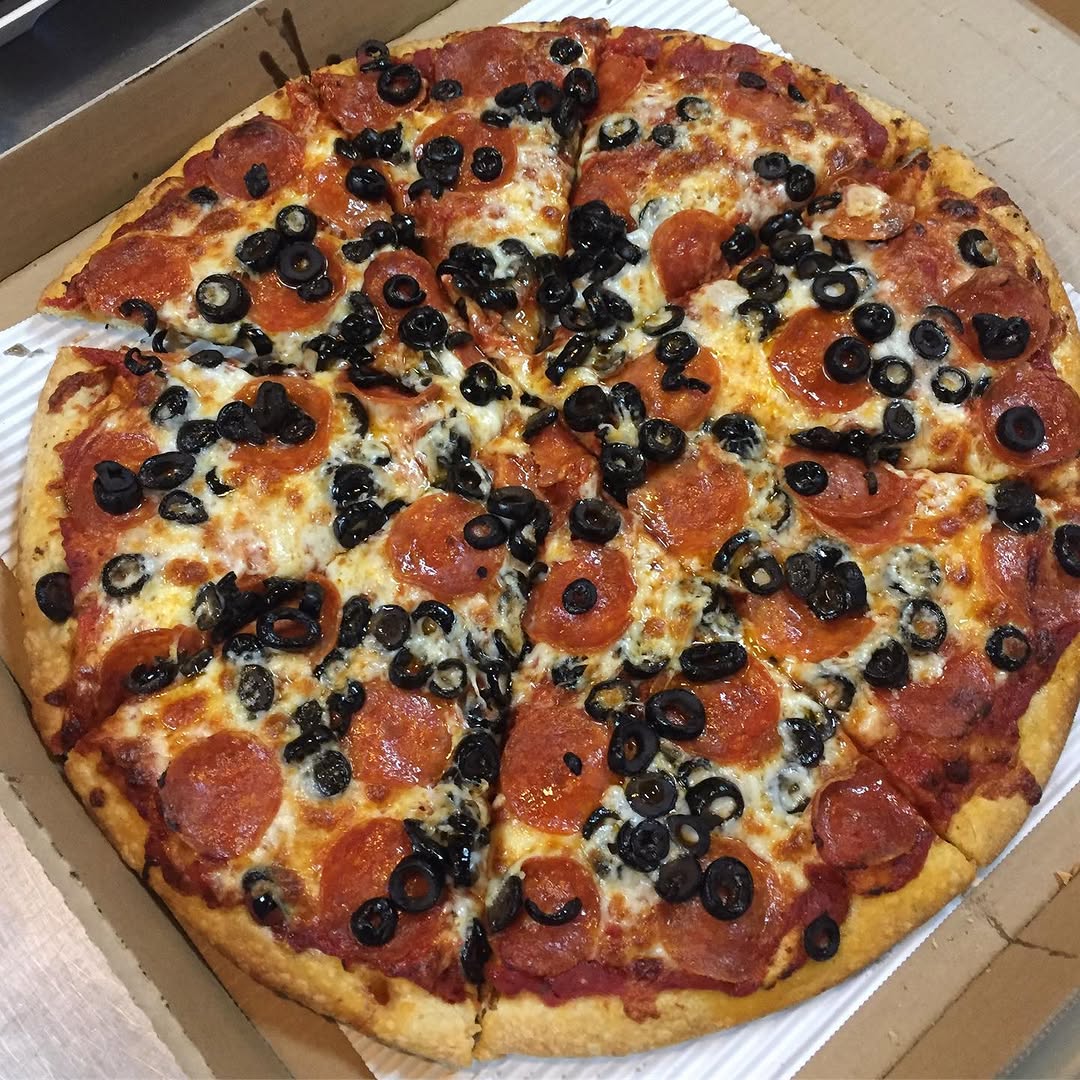 Original
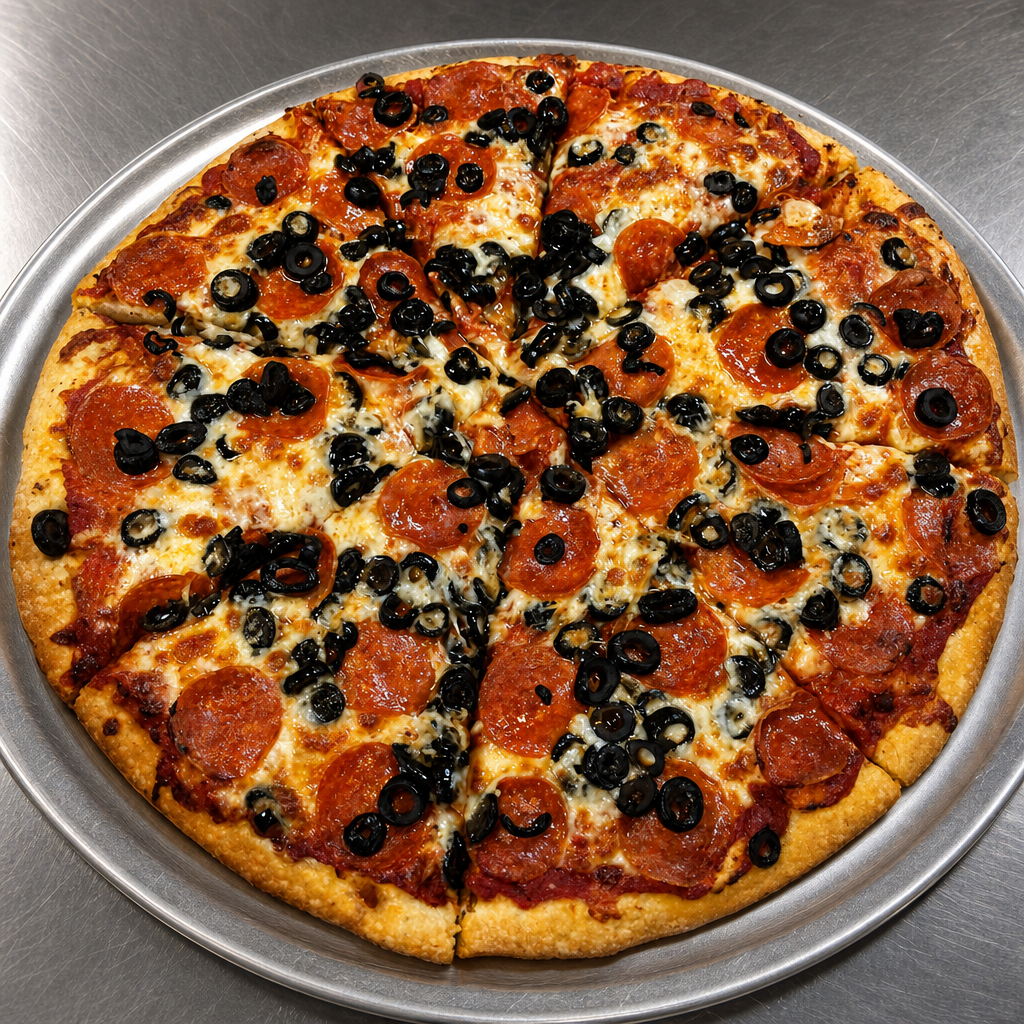 v1
v1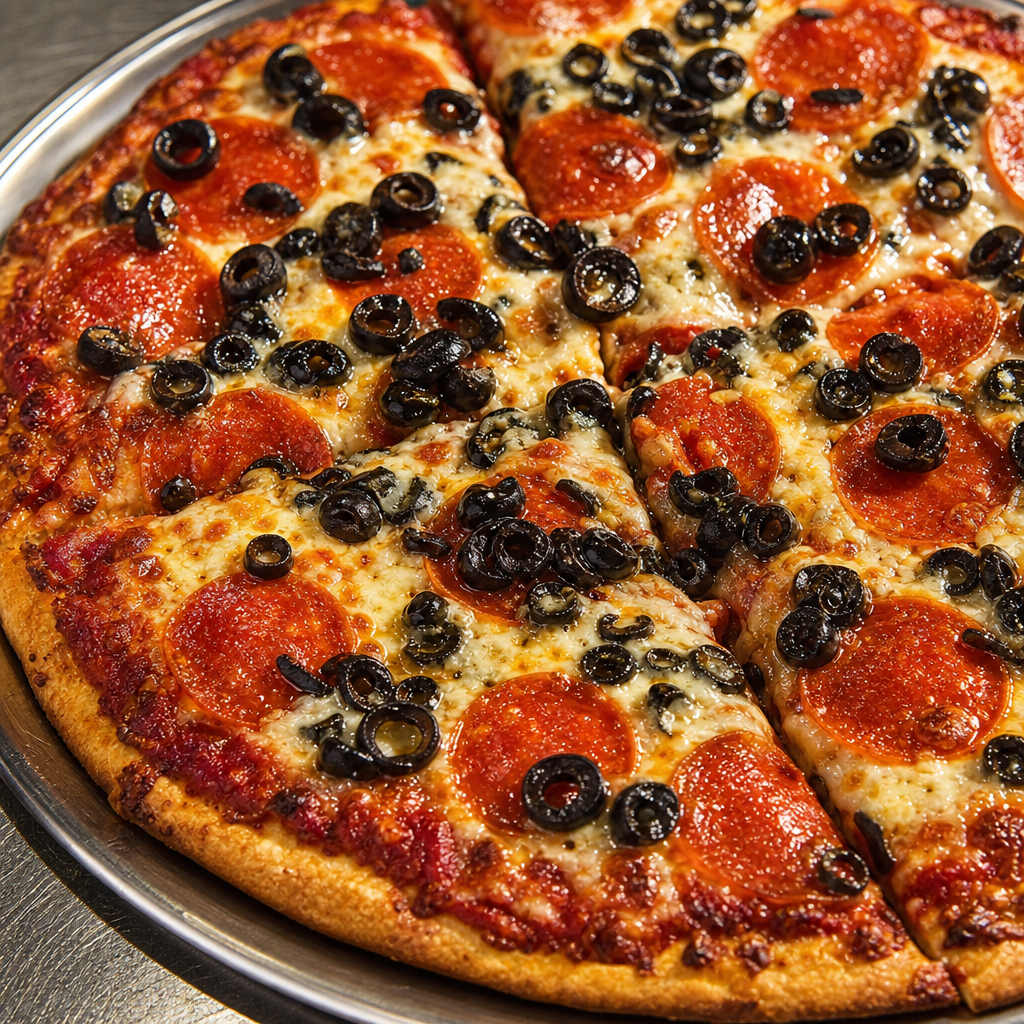 v2
v2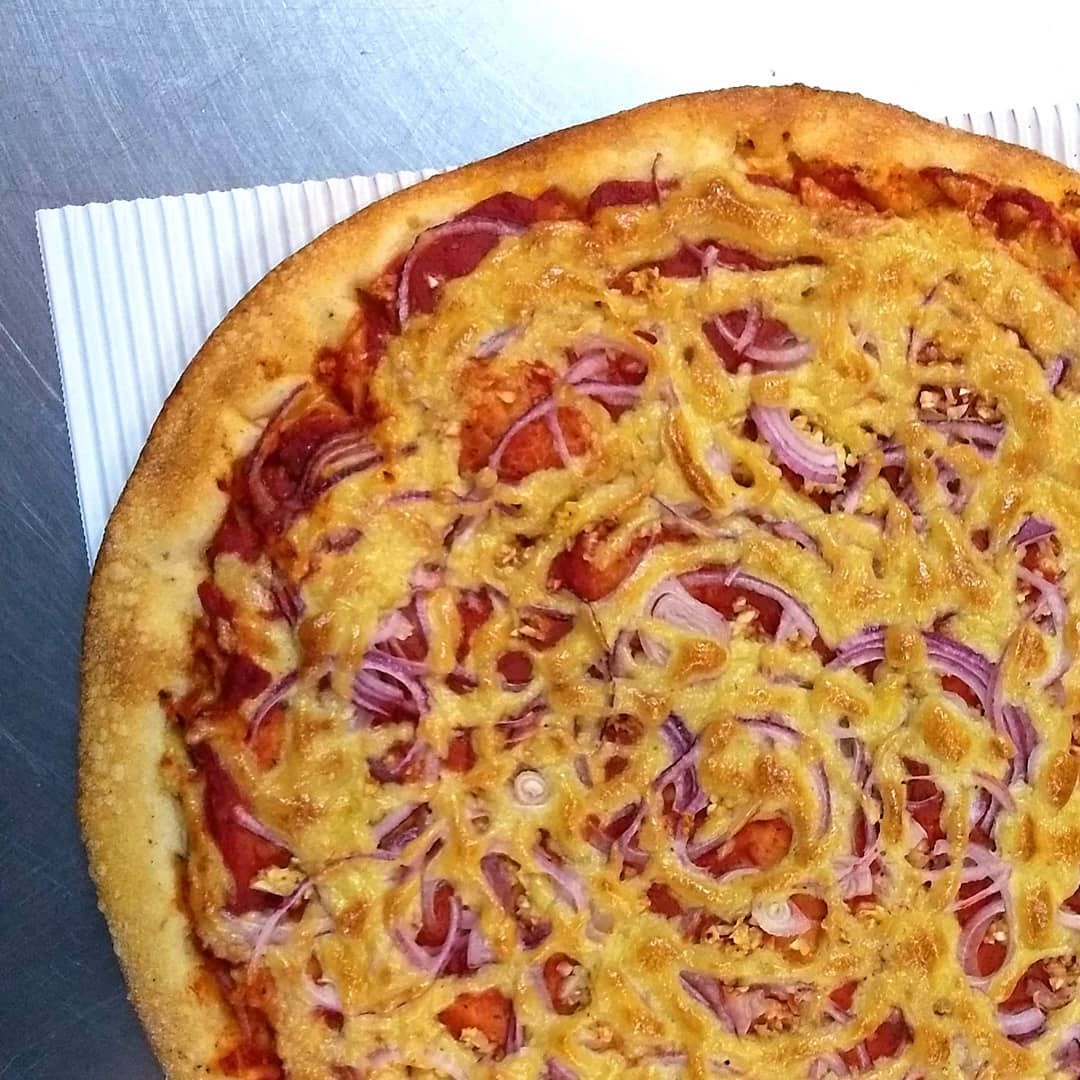 Original
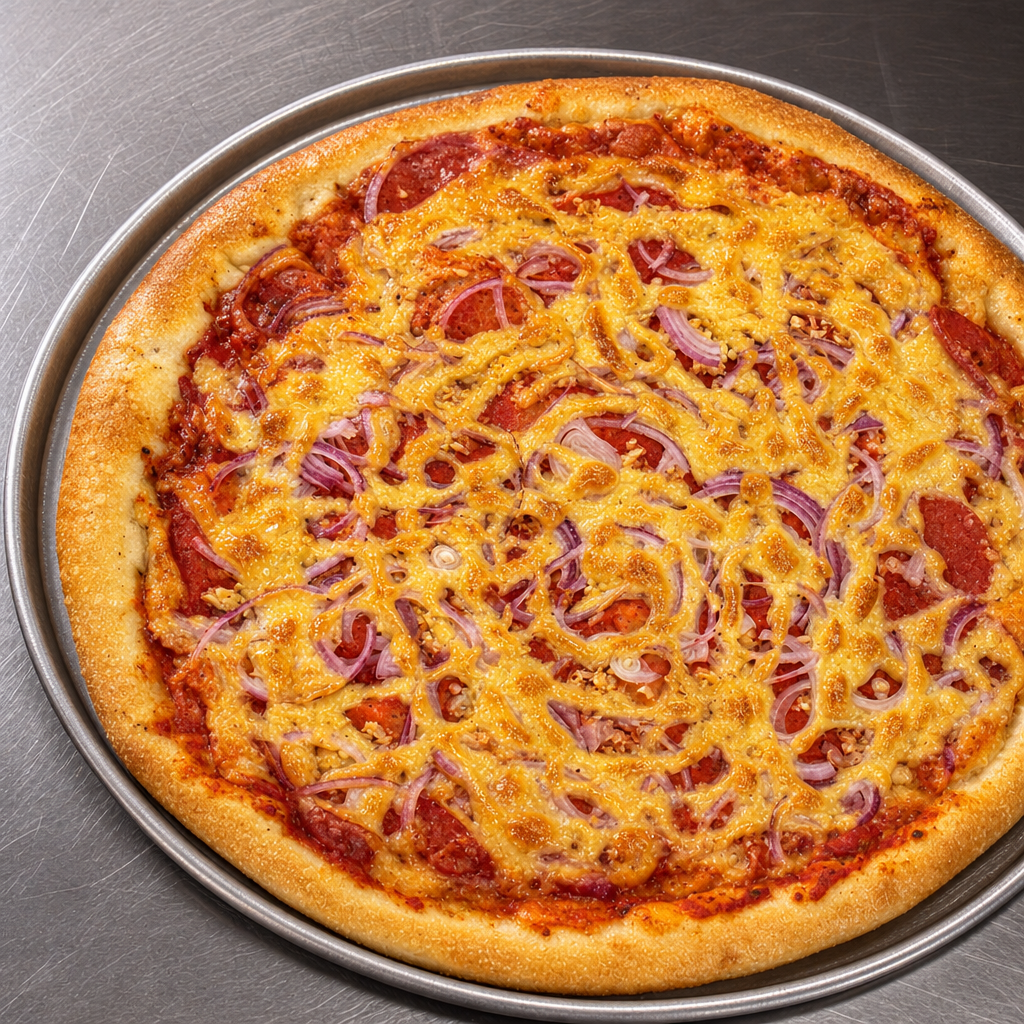 v1
v1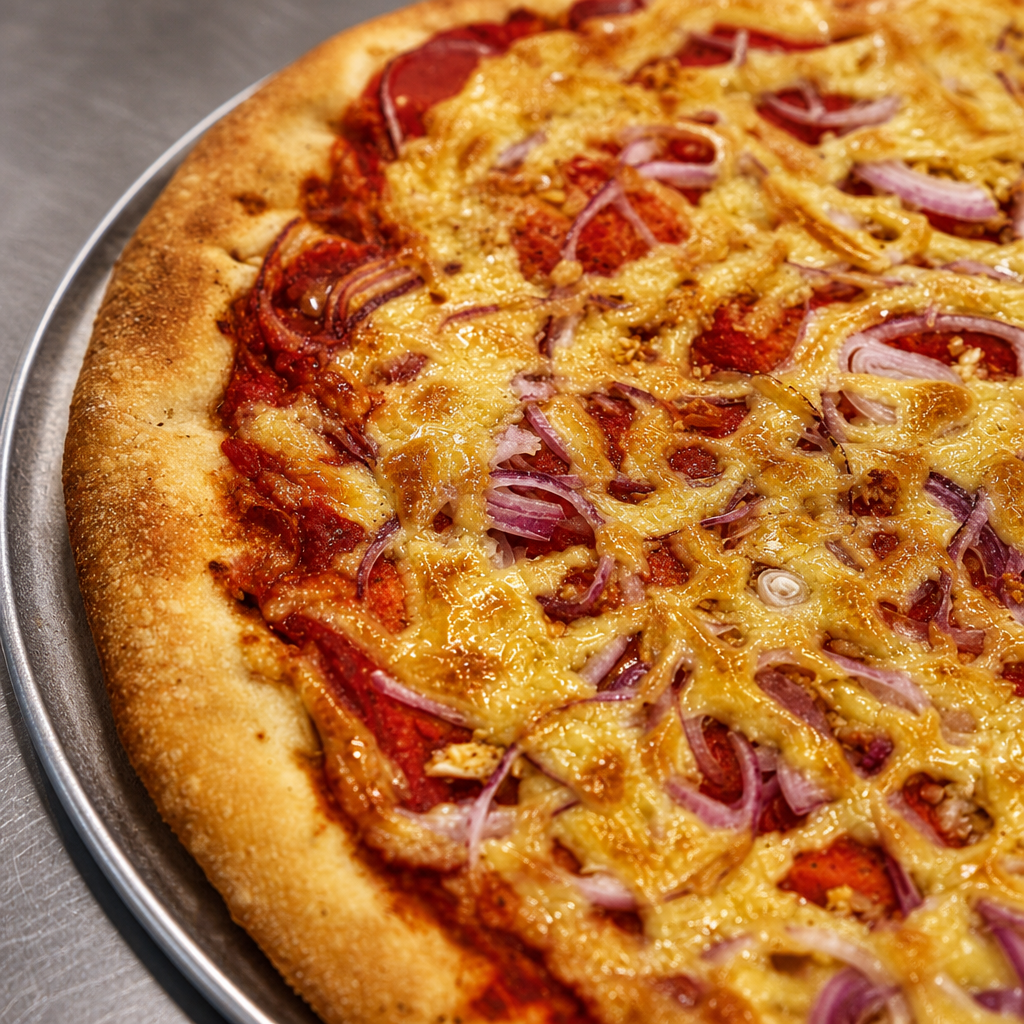 v2
v2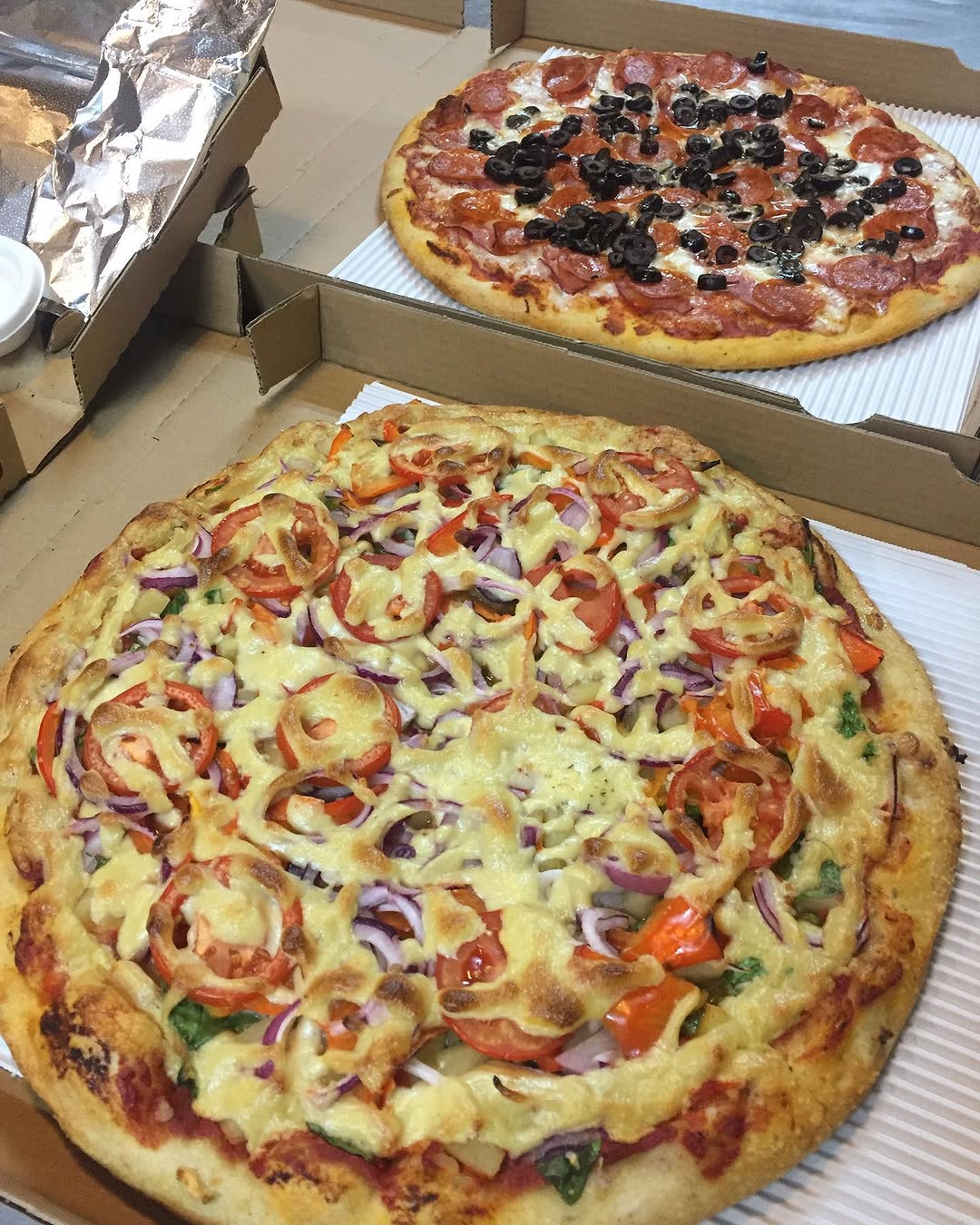 Original
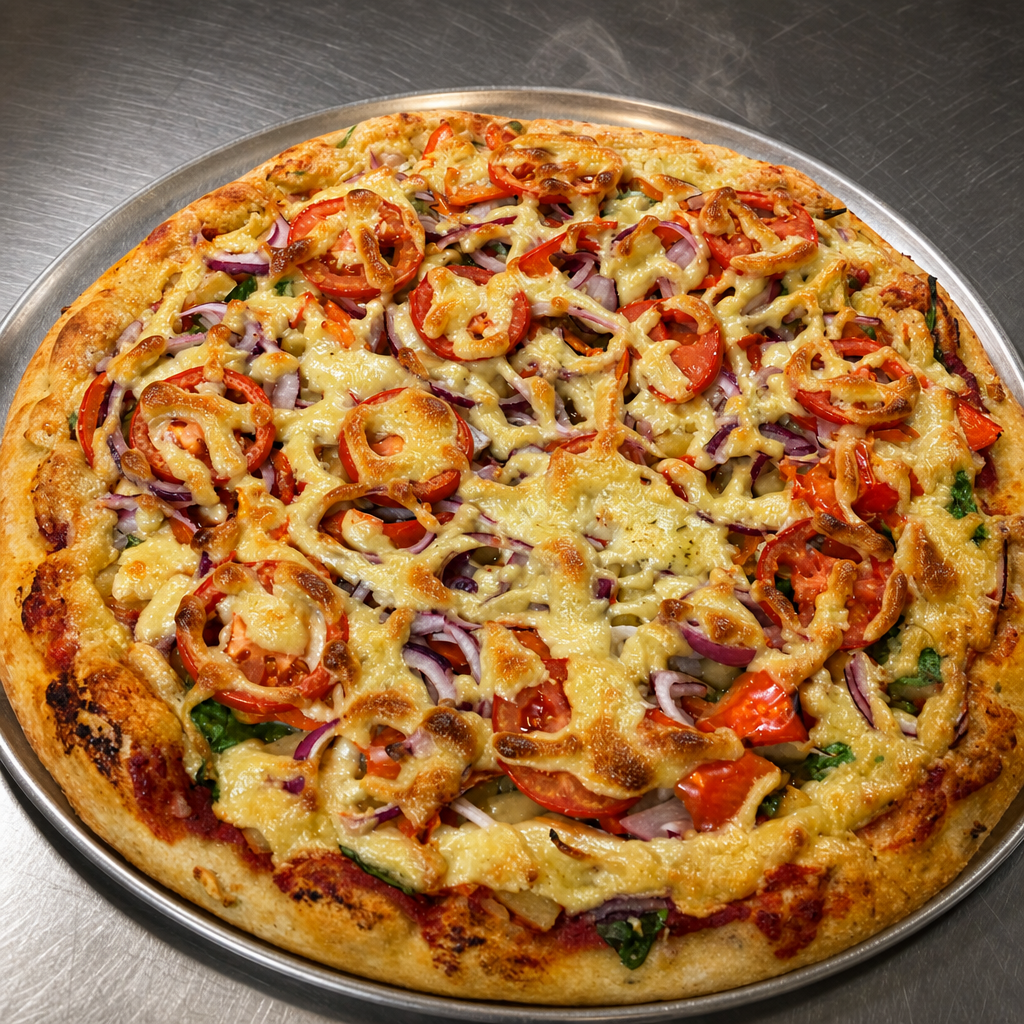 v1
v1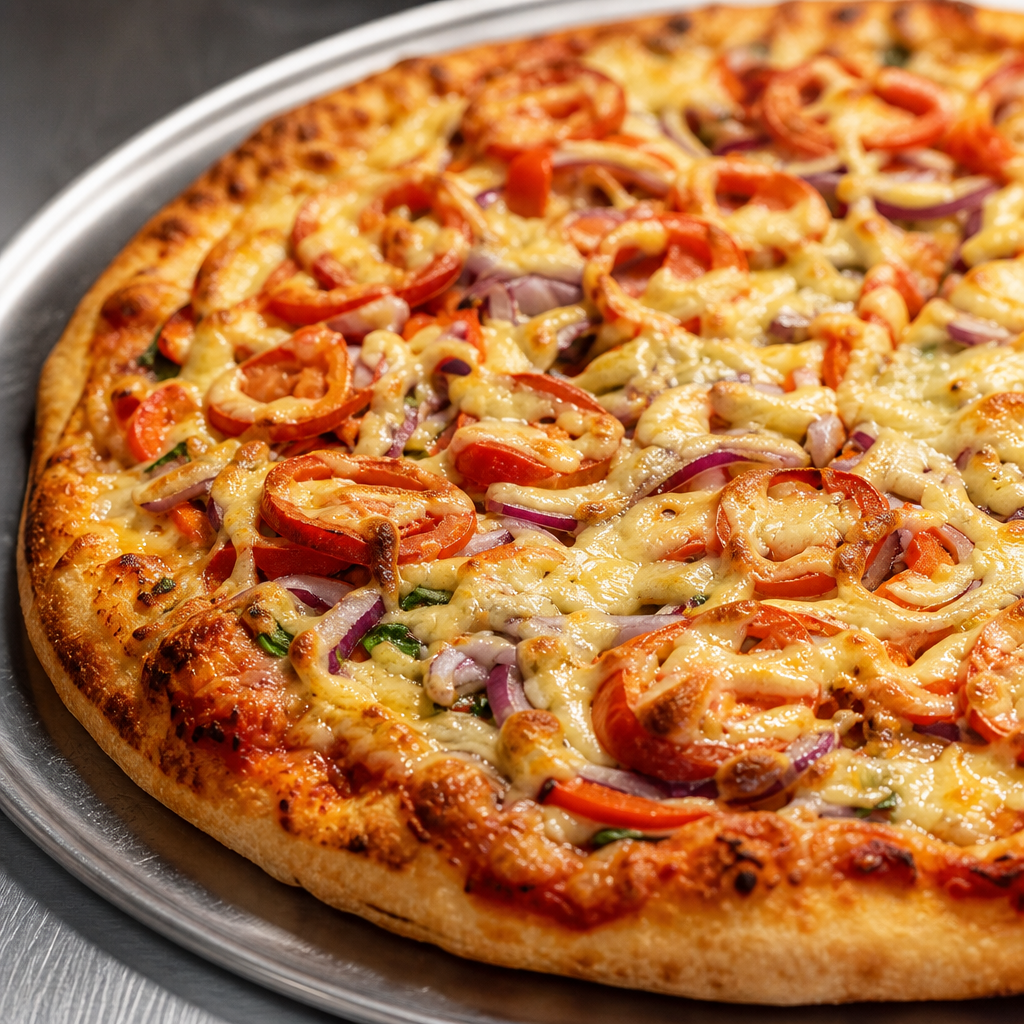 v2
v2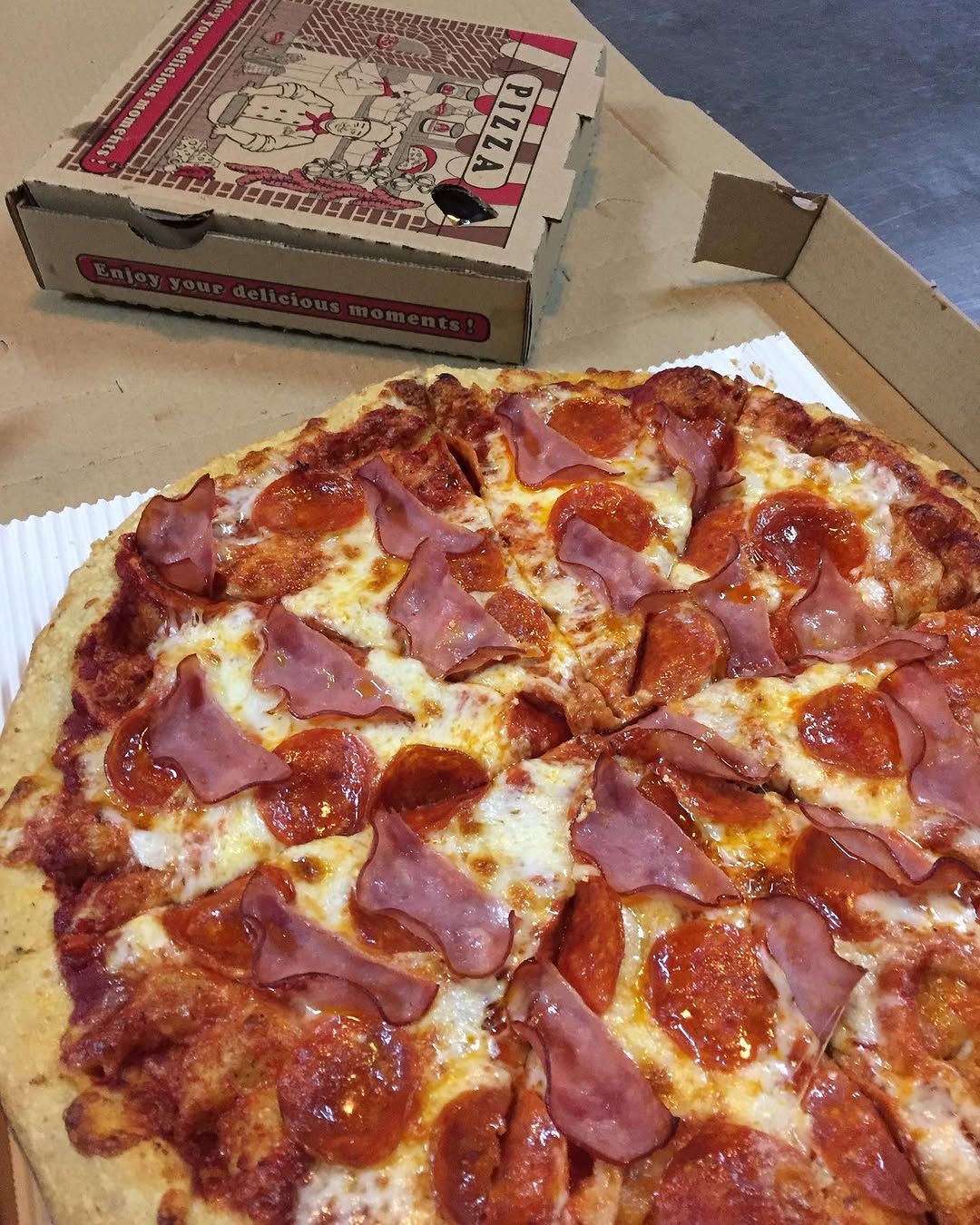 Original
 v1
v1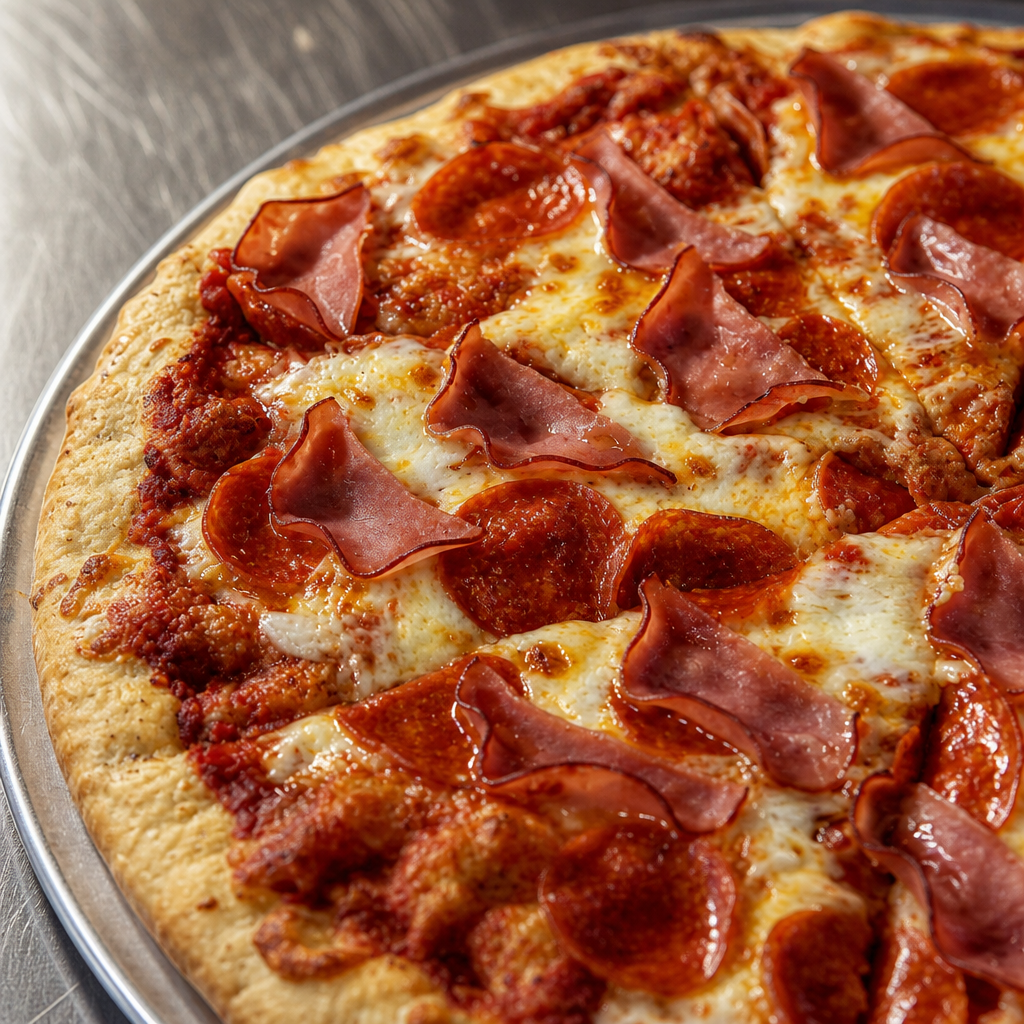 v2
v2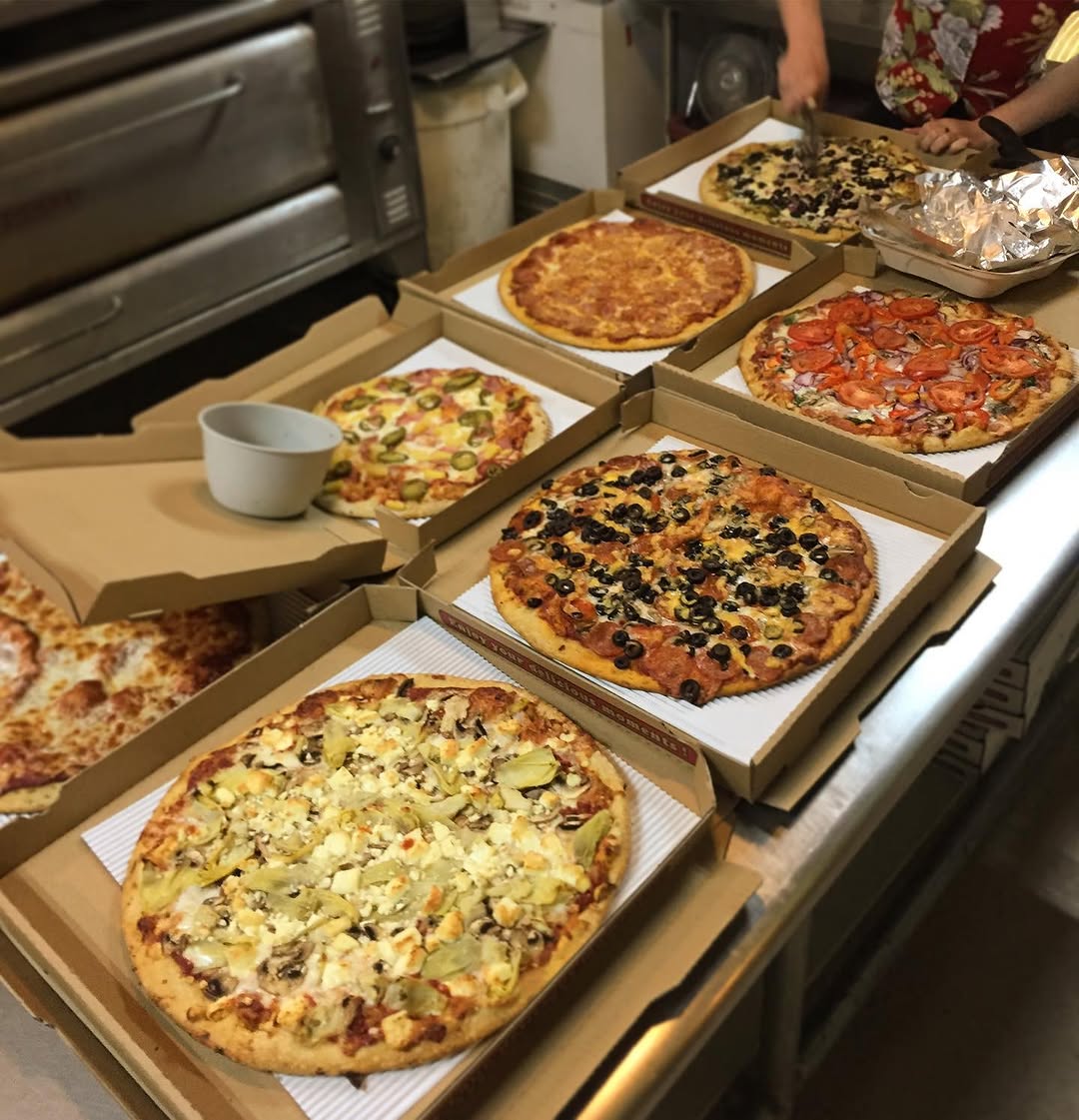 Original
 v1
v1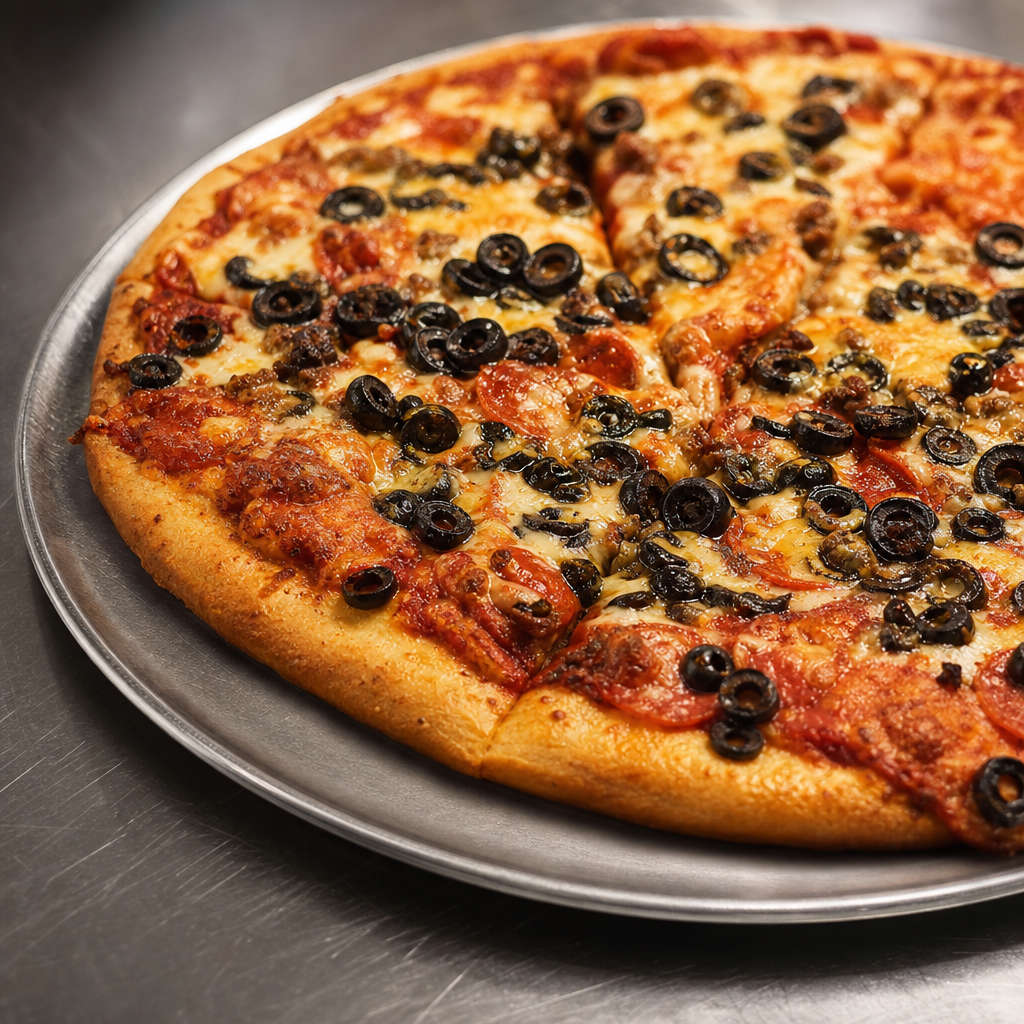 v2
v2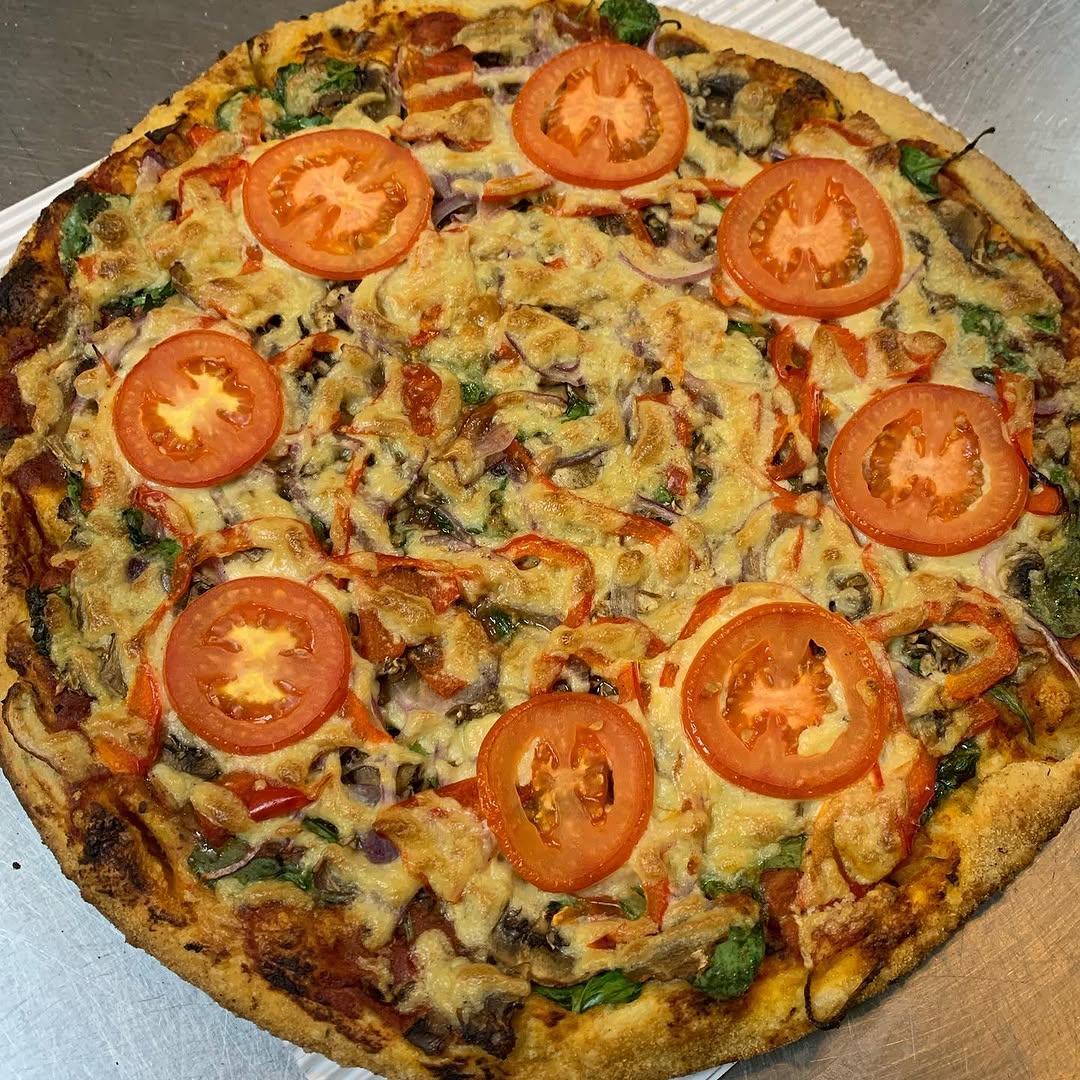 Original
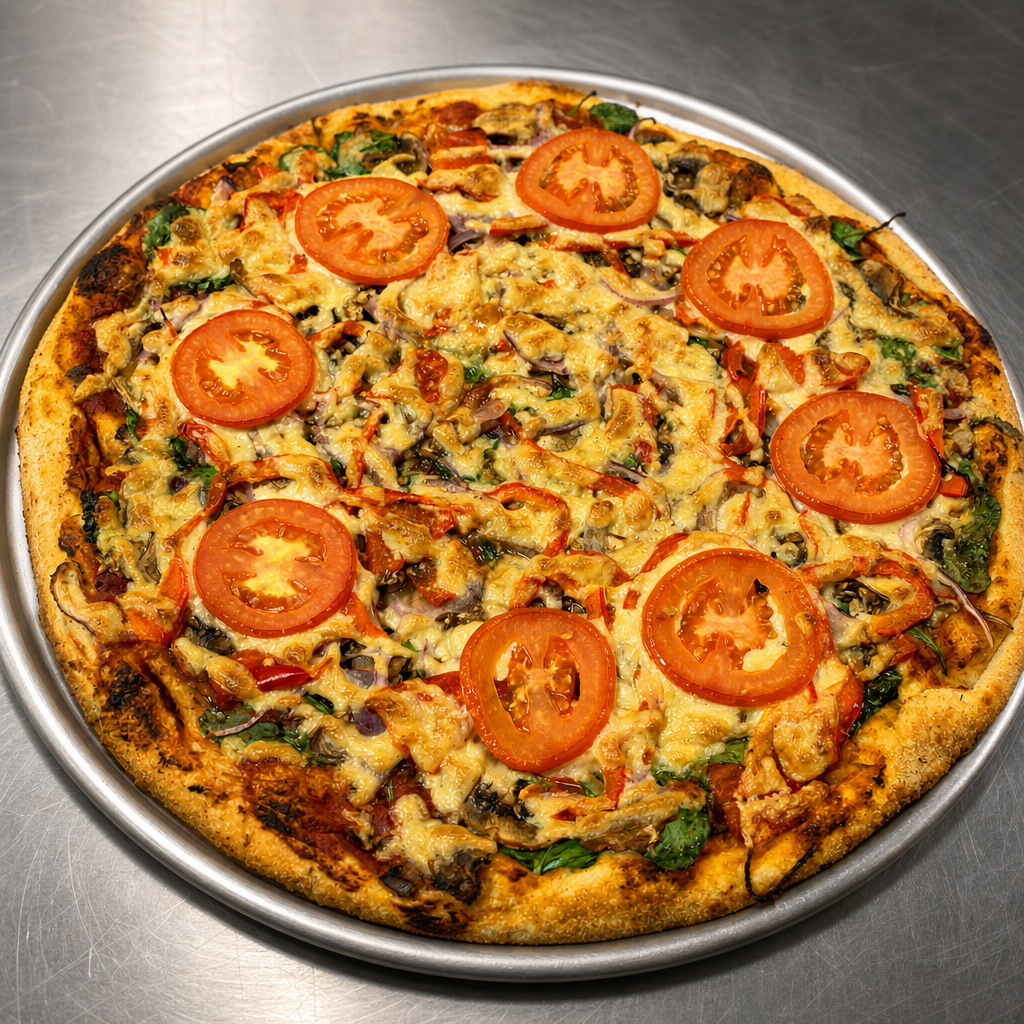 v1
v1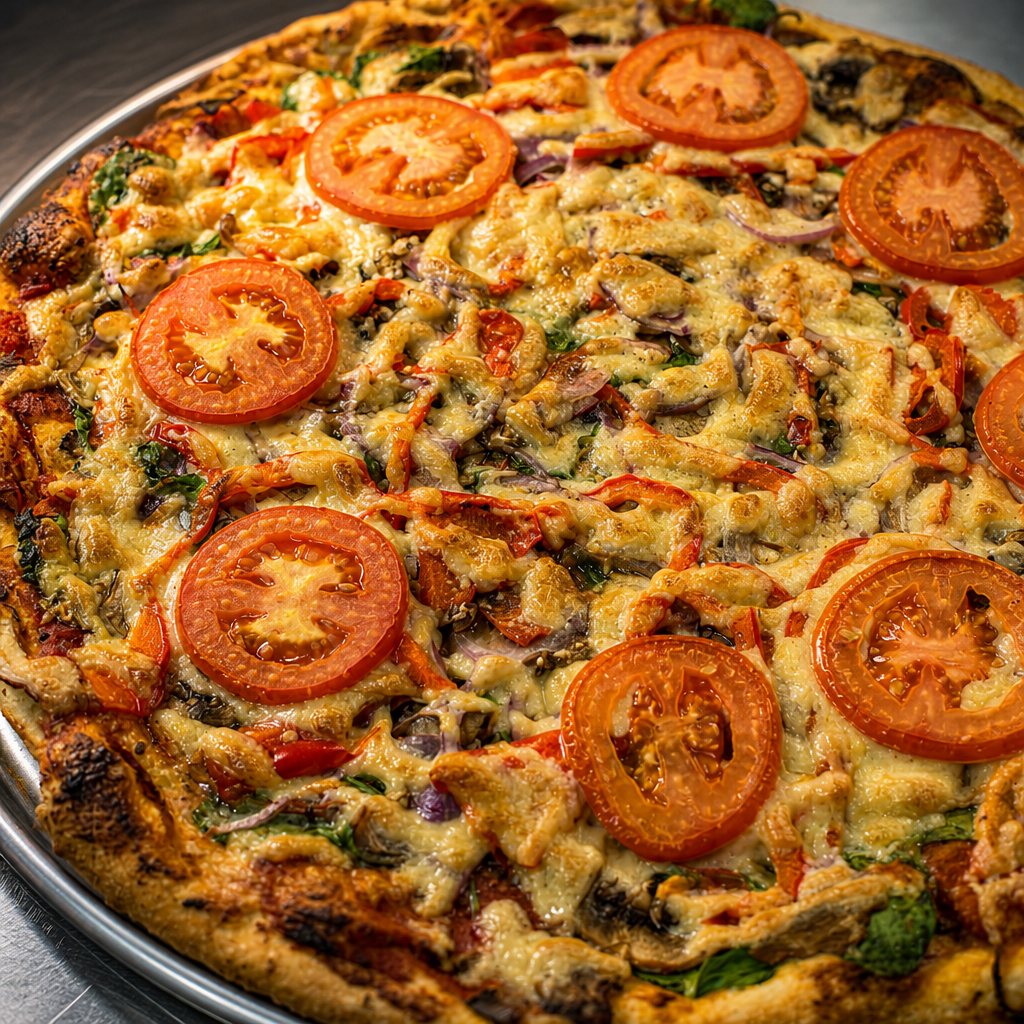 v2
v2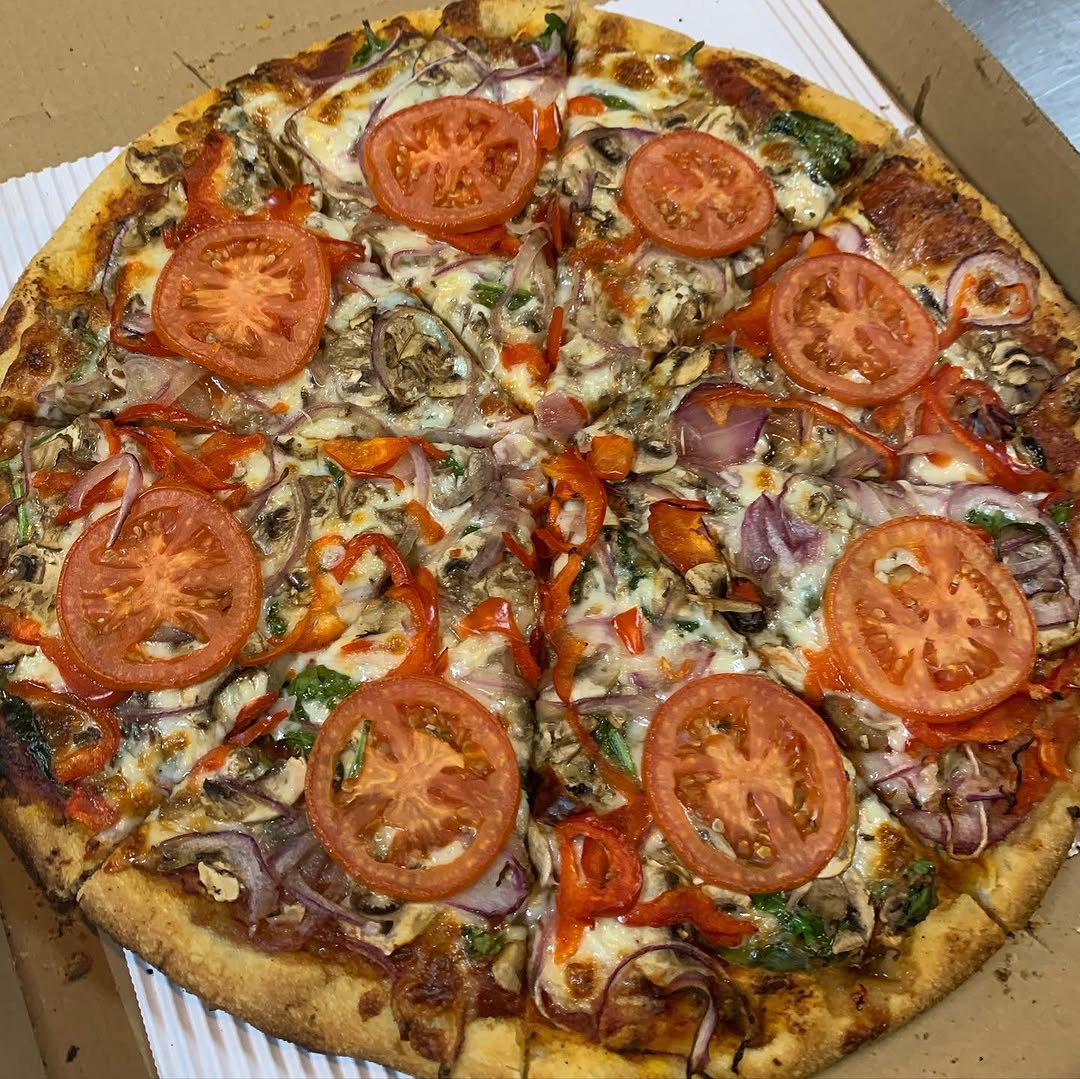 Original
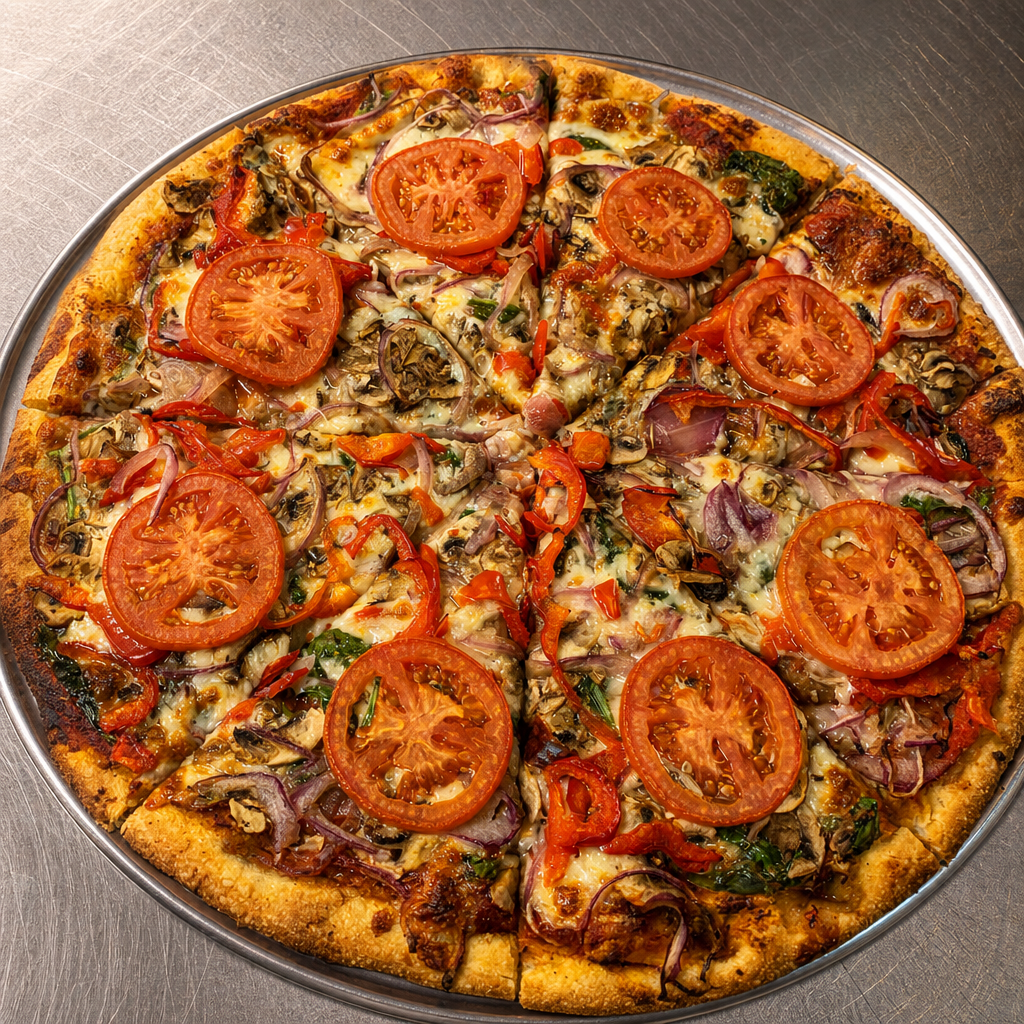 v1
v1 v2
v2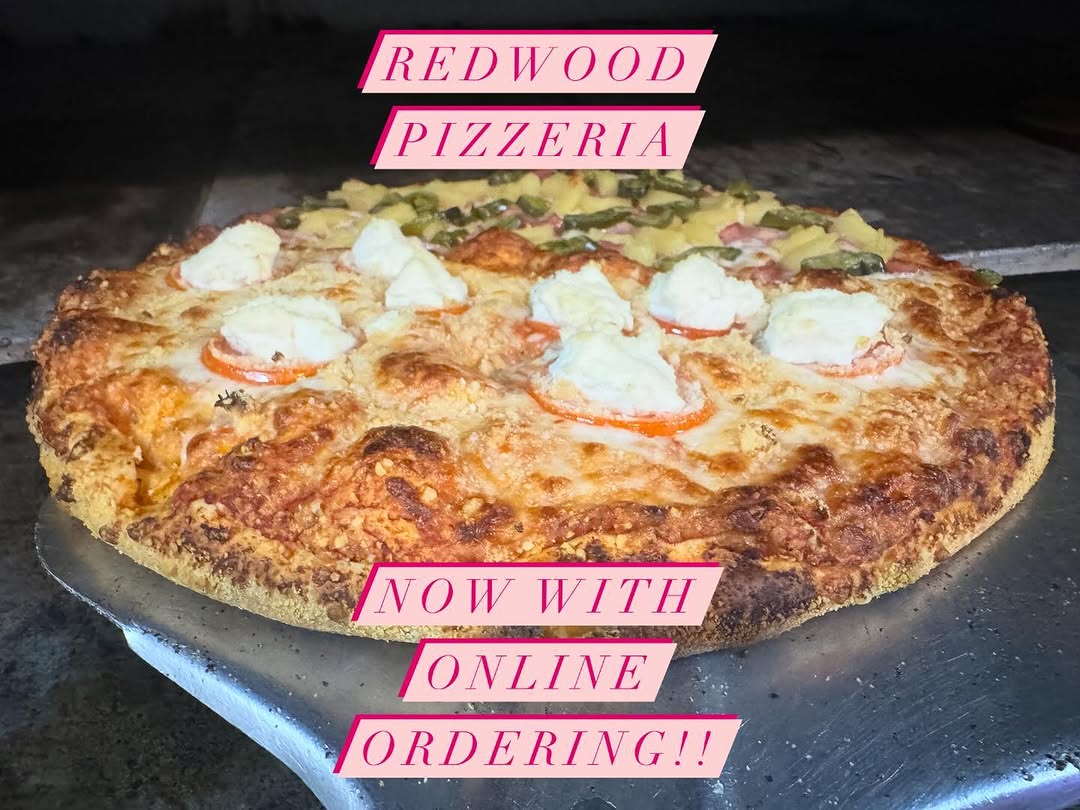 Original
 v1
v1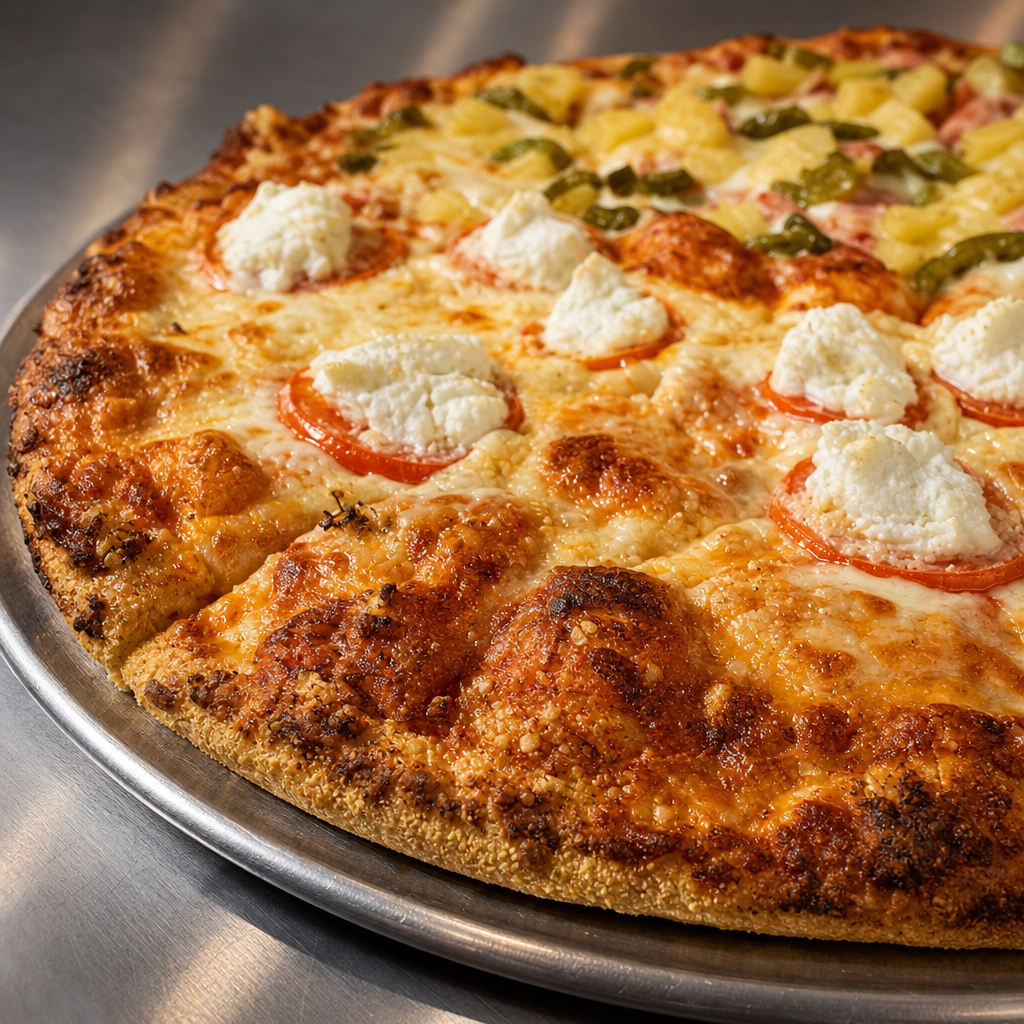 v2
v2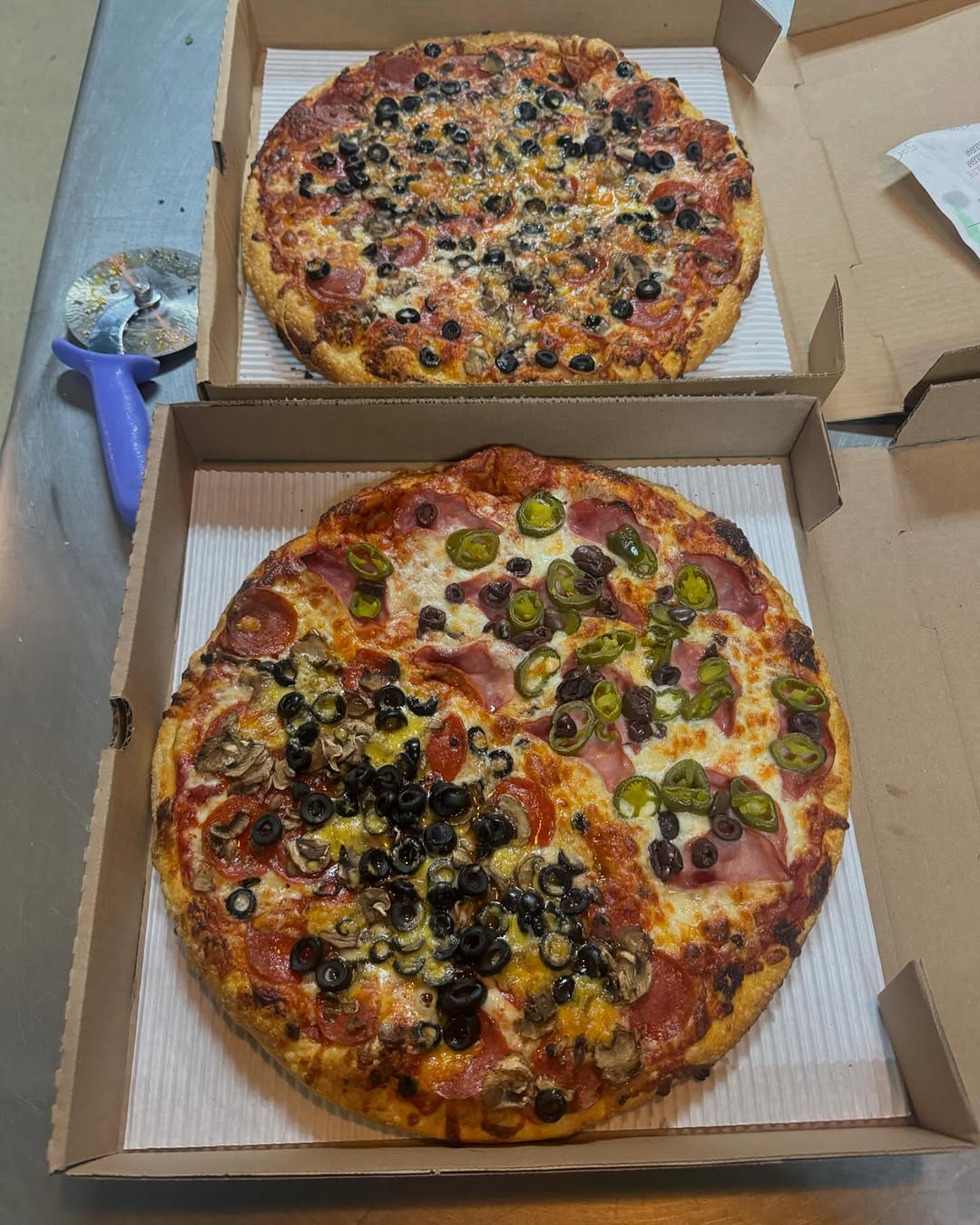 Original
 v1
v1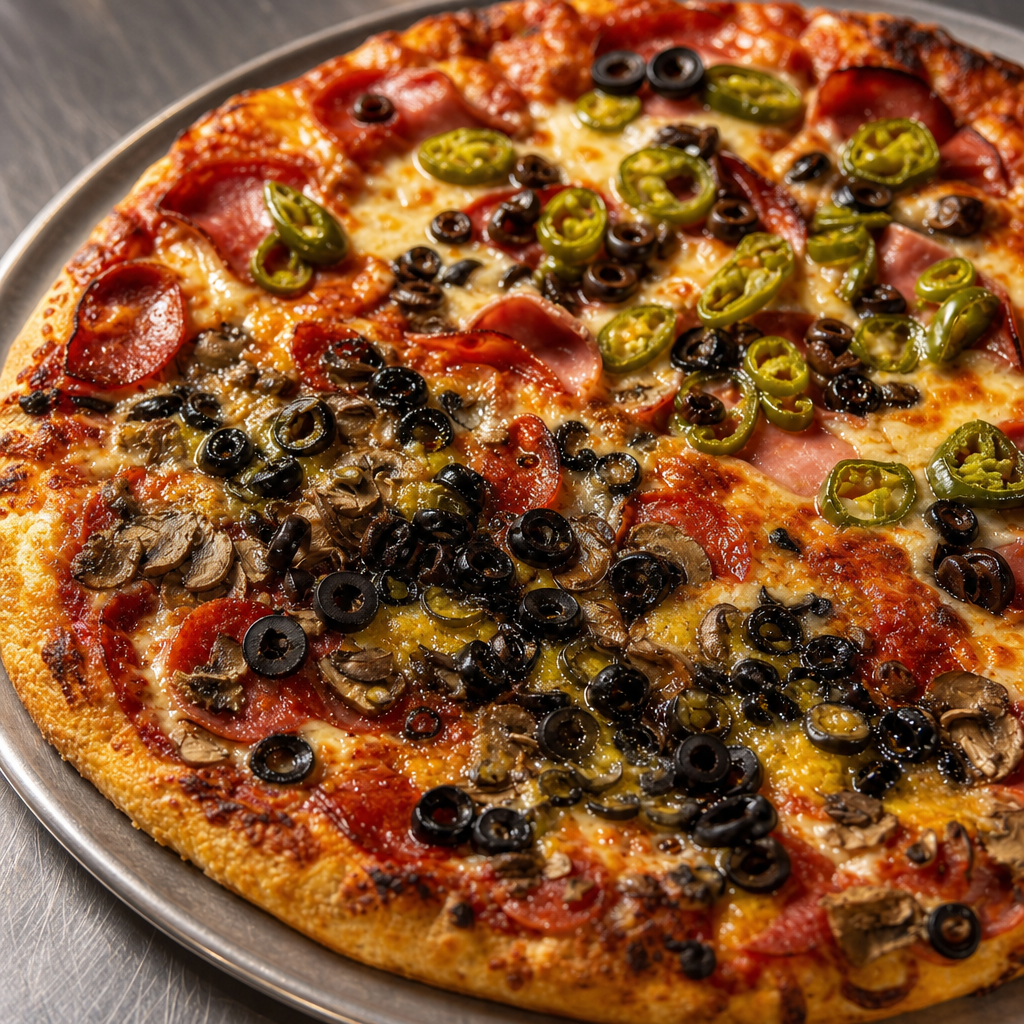 v2
v2